
The words "mediums" and "media" get thrown around so casually that most people use them interchangeably. But they're not quite the same thing, and understanding the difference actually matters for your creative work.
Here's the quick answer: "Media" is the general term for the channels, tools, and platforms that carry communication and content. "Mediums" refers specifically to the materials or methods used to create art, design, or express ideas. Both are plural forms, but they describe different things. Paint is a medium. A podcast is media. The distinction matters because it shapes how you think about your work.
Understanding Media
Media is the broader concept. It's anything that carries a message from creator to audience.
When you talk about media, you're talking about the channels that distribute content. A social platform is media. Television is media. A newsletter is media. Email is media. A podcast network is media. Even a printed magazine is media.
The word "media" is plural (the singular is "medium," though you rarely hear it used that way in modern conversation). When you're discussing multiple channels or platforms where content lives, you're talking about media.
Media also refers to the broader communication landscape. "Mass media" means large-scale distribution channels. "Social media" means platforms built around community sharing. When someone says "the media is covering this story," they mean news organizations and outlets.
The key insight: media is about reach, distribution, and where your audience encounters your work. It's the vehicle. Understanding your media landscape helps you figure out where your audience spends time and where your content will have the most impact.
Understanding Mediums
Mediums are the materials, tools, or methods you use to create your work.
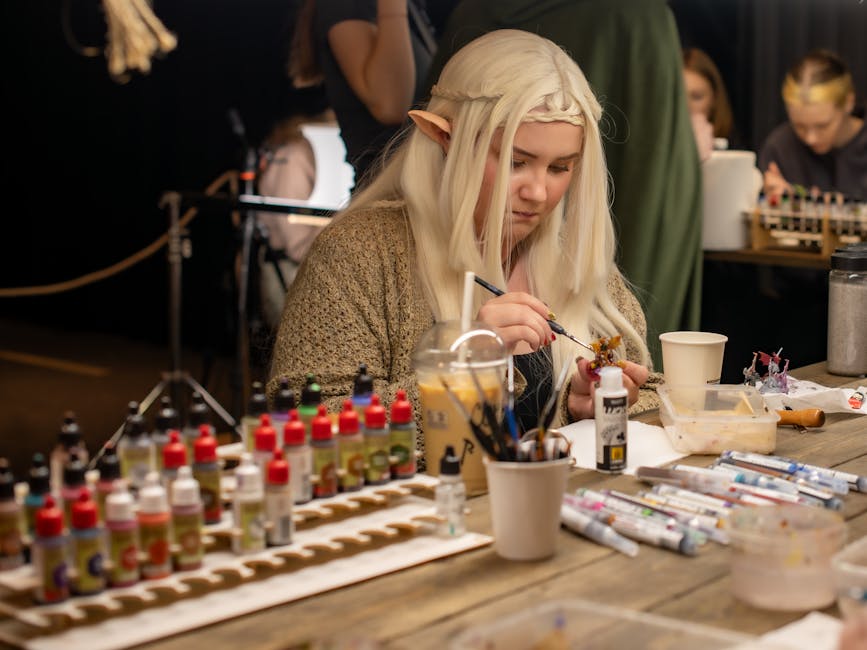
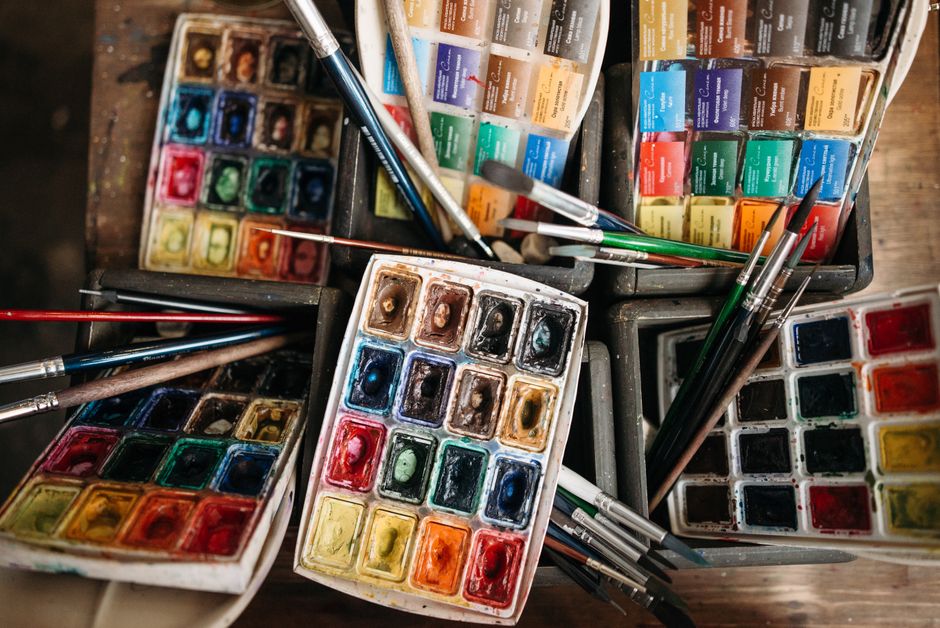
In the visual arts, mediums are obvious: oil paint, charcoal, clay, marble, watercolor, pencil, digital art software. A sculptor works in the medium of stone. A photographer works in the medium of light and digital sensors. A painter might switch between the mediums of acrylic and oil depending on the effect they want.
But mediums aren't just about traditional art. Writing is a medium. Video is a medium. Audio is a medium. Sculpture is a medium. Animation is a medium. Performance is a medium. Photography is a medium. Even conversation is a medium.
The key insight: mediums shape what you can express and how you express it. Every medium has different strengths, constraints, and possibilities. The medium influences the message. A story told through audio feels different than the same story told through writing or video. An idea expressed through paint behaves differently than the same idea expressed through photography.
Choosing your mediums means choosing which tools will best serve your creative vision.
Why the Difference Matters for Creators
As a creator or brand, you work in mediums and distribute through media. The two work together.
Let's say you're a podcast creator. Your medium is audio. Your media might include the podcast hosting platform itself, your social channels where you promote episodes, email where you share highlights, and maybe a website where people discover your show. You create in one medium (audio) but distribute across multiple media.
Or imagine you're a visual artist. Your mediums might be digital illustration and photography. Your media could be a portfolio site, social platforms, email, print galleries, or a newsletter. You create in your chosen mediums, then decide which media channels will carry your work to the right people.
Understanding both helps you make smarter creative decisions. When you choose a medium, you're choosing what tools and techniques will shape your work. When you choose media, you're choosing where your finished work gets seen and by whom. Phleekz is designed to help original content find its audience across the channels where creators already work, but your role is figuring out which mediums serve your vision best and which media channels will connect you with people who value what you make.
How to Choose Your Mediums

The best medium for your work is usually the one that matches your skills, your vision, and your audience's expectations.
Ask yourself: What am I naturally drawn to? If you love writing, your medium might be long-form essays or scripts. If you love visual thinking, your medium might be photography, design, or illustration. If you're great at explaining things out loud, your medium might be video or podcasting.
Then ask: What does my message need? Some ideas work best in video because they involve movement or emotion. Some ideas work best in writing because they need nuance and depth. Some ideas need multiple mediums to fully land.
Finally, ask: What does my audience prefer? If your audience loves audio content, maybe a podcast medium makes sense. If they're visual learners, video or design might be your answer.
Many successful creators work across multiple mediums. A writer might also create video essays. A photographer might also write captions that tell stories. A musician might also make music videos. Working across mediums isn't required, but it often helps you reach more people and express your ideas more completely.
How to Choose Your Media
Once you've chosen your mediums, you need to choose where to distribute your work.
Start with where your audience already gathers. If you're a visual creator, certain platforms matter more. If you're making audio content, different places make sense. If you're writing, yet other channels. The goal is to meet people where they actually spend time, not where you think they should be.
Consider platform fit. Some platforms reward short, snappy content. Others work better for deep dives. Some platforms value community interaction more than reach. Some platforms are better for building direct relationships with your audience.
Think long-term. Some media channels are worth your time because they build something lasting. A newsletter you own builds your direct relationship with readers. A portfolio site becomes evergreen real estate for your work. original content platforms that prioritize authentic work help your best ideas travel further.
Don't chase every channel. Pick 2-3 media where your audience lives and where your medium of choice thrives, then focus on creating great work there instead of spreading yourself thin across ten platforms.
Mediums and Media Work Together
Your medium shapes what you create. Your media determines where it goes.
A filmmaker creates in the medium of video. They might distribute through film festivals, streaming platforms, social channels, or a personal website. Same medium, multiple media choices.
A graphic designer creates in the medium of visual design. They might share work on a portfolio site, email, social platforms, design networks, or print. Again, one medium, multiple possible media homes.
The strongest creators get intentional about both. They choose mediums that let them create their best work. They choose media that connect them with people who'll actually care. And they stay consistent across time, building real recognition and trust.
When you're starting out, this might feel overwhelming. But the framework is simple: pick your medium (your tool or method), pick your media (your distribution channels), and create work that's authentic to who you are. That consistency and authenticity is what makes original content worth paying attention to.
People Also Ask
Is it "mediums" or "media"?
Both are correct, but they're used differently. "Media" is the plural of "medium" when you're talking about channels of communication. "Mediums" is an alternative plural used mainly when describing artistic materials (oil and watercolor are two mediums). In modern usage, "media" is more common overall, but "mediums" is standard in art and design contexts.
What are examples of mediums?
Mediums are the materials or methods used to create work. Examples include: paint, charcoal, clay, photography, video, audio, writing, sculpture, animation, digital art, pen and ink, film, performance, and installation art. Basically anything that's a tool or technique for expressing an idea.
What are examples of media?
Media are the channels where content is distributed. Examples include: social platforms, podcasting networks, email newsletters, websites, print publications, television, radio, streaming services, blogs, and any platform where audiences gather to consume content.
Can you use multiple mediums and media?
Yes, absolutely. Many creators work across multiple mediums (a photographer who also writes, a musician who makes videos) and distribute across multiple media (your own site plus email plus social channels). Consistency matters more than quantity, so focus on doing a few things really well rather than spreading yourself thin.