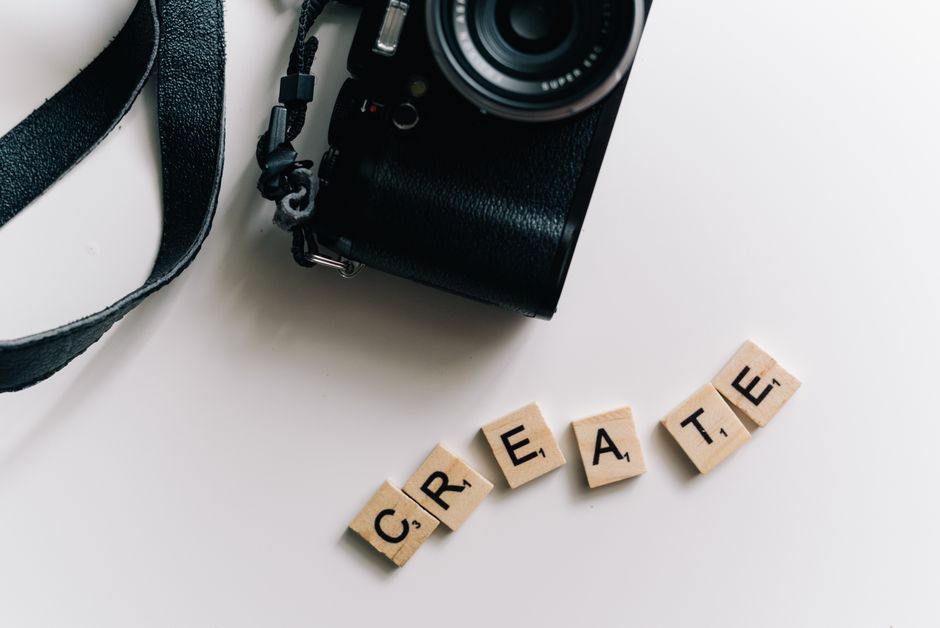

Creation living is the practice of organizing your life around your creative work, not fitting creativity into whatever time is left over. It means your schedule, your energy, your environment, and your choices all serve the work you care about most.
Most people treat creation as something that happens after everything else: after work, after obligations, after scrolling. Creation living flips that. Your creative practice becomes the anchor, and the rest of your life arranges itself around it.
If you've ever felt like your best ideas go nowhere because you can't find time to develop them, or like you're always starting over because weeks pass between sessions, you're not lazy. You're likely just living a life that wasn't designed to support creation. That changes when you make creation living intentional.
What Creation Living Actually Looks Like
Creation living doesn't mean you have to quit your job or abandon your family. It means being deliberate about your time and energy so that creating isn't optional, it's built in.
Start by identifying your non-negotiable creative time. This might be an hour before work, a weekend morning, or a specific evening. The exact timing matters less than consistency. Your brain learns to enter creative mode when it knows this time is protected.
Next, protect your space. If you write, design, make music, or produce content, where do you do it? Is it a corner of your kitchen table, a dedicated studio, or a coffee shop? Make sure that space is real, available, and free from the noise and demands of your other obligations.
Energy matters as much as time. If you work a demanding job, your peak creative hours might be early morning, not evening. If you're a parent, your window might be after bedtime or during nap time. Don't spend creative time exhausted. Design your life so you're attacking your work when you actually have fuel.
Creation living also means saying no. No to meetings that don't matter. No to social obligations that drain without nourishing. No to the expectation that you should be available all the time. Yes, this can feel hard or selfish. But creators who finish things, who build bodies of work they're proud of, are the ones who protect their time fiercely.
The Rhythm of Creation Living
Real creation living has rhythm. You're not sprinting forever. You're working in seasons.
Some weeks or months are production-heavy. You're making, writing, recording, building. Other periods are for reflection, study, feedback, or rest. Both matter. If you only produce, you burn out. If you only consume and think, nothing gets finished.
Think about your work in quarters or seasons. Winter might be a planning and learning phase. Spring is where you launch new projects. Summer is for production at full throttle. Fall is for reviewing what worked, what didn't, and what comes next.
This isn't rigid scheduling that kills inspiration. It's structure that keeps you moving forward instead of cycling through the same stuck feelings. When you know you have a reflection phase coming, you don't beat yourself up for not producing during it. When you know a production sprint is coming, you prep during the quieter weeks so you're ready.
Building Community Into Creation Living
Creation living doesn't mean isolation. In fact, the creators who thrive are usually the ones connected to other people doing similar work.
Find your people. These might be folks in your exact medium, or just other people who take their creative work seriously. Share your progress, ask for feedback, show up for theirs. This creates accountability and momentum.
You might join a writing group, a maker's collective, an online community of creators, or just grab coffee weekly with one person who gets what you're building. The format doesn't matter. What matters is that you're not alone in this.
Community also helps you stay honest about what you're making. When you're isolated, it's easy to convince yourself that your unfinished projects are "perfect in my head." When you share work with others and get real feedback, you learn what actually lands and what needs rework. That's invaluable.
Phleekz is designed to help original content be seen, which means the work you put time into actually gets discovered by people who care. But before your work travels anywhere, it has to exist. Creation living is about making sure it does.
Making Creation Living Sustainable

The biggest mistake people make with creation living is treating it like a sprint. You'll burn out if you're fighting for creative time every single day while also working full-time and managing life.
Sustainability means realistic expectations. If you can protect five hours a week for your creative work, that's thirty hours a month. That's meaningful. You can ship something real in that time if you're focused.
It also means giving yourself permission to adjust. Some seasons of your life allow for more creative time than others. You might have seasons when you're creating less but sharing more, or seasons when you're learning instead of producing. That's all part of creation living. You're building a life structure that works for you now, not the life you wish you had.
Track what actually happens. Keep a simple log of when you work, how much, and how you feel. This isn't about perfection or guilt. It's data. After a month or two, you'll see patterns. You'll notice when you're more productive, which conditions help, which environments work best. Use that information to design your next month better.
The goal of creation living is to create consistently over years, not to have one brilliant output and disappear. That takes a life structure that supports it. When creation is woven into your daily rhythm, when you have time and space and community and energy allocated to it, the work doesn't stay trapped in your head. It gets made, it gets shared, and it keeps creating value.
If you're building something original and you want your work to find an audience, structure matters. Phleekz supports creators and brands that invest in originality by giving authentic work the visibility it deserves. But that starts with you building a life where creation actually happens.
People Also Ask
How do you balance creation living with a full-time job?
You don't balance them equally. You protect a specific, non-negotiable window of time for creative work, and you do that work during your peak hours, not when you're exhausted. Many creators work early in the morning before a day job, or dedicate one weekend day to their craft. The key is consistency, not volume. Regular work beats occasional marathons.
What if you don't know what you want to create?
Start with curiosity. Spend time reading, watching, listening to work in a space that interests you. Experiment with different mediums. Take classes. The structure of creation living gives you permission to explore without pressure. You're not looking for the perfect project right now; you're building the habit of showing up and thinking creatively. The project will emerge.
Can creation living work if you have a family or major responsibilities?
Absolutely. It just looks different for everyone. A parent might have creative time during naptime or after bedtime. Someone caring for a family member might create in short bursts between responsibilities. The principle stays the same: you deliberately protect some time and space for your work, and you build your life around it as much as you reasonably can. Done is better than perfect.
How long does it take to see results from creation living?
It depends on what you're creating and what results mean to you. If you mean "finish something I'm proud of," most people can do that in three to six months with consistent work. If you mean "build an audience," that takes longer, but it's not random. The more regularly you create and share, the more people discover your work. Results follow consistency.