
Set ideas are broad, open-ended intentions that point you in a direction rather than box you into rigid targets. Instead of saying "I will run a 5K by March," a set idea might be "get stronger and move my body more." Instead of "earn $50K," it might be "build income from my creative work." The difference matters because set ideas give you room to adapt, explore, and discover what actually resonates.
If you're planning your year, your career, or any meaningful area of your life, set ideas are a tool worth understanding. They sit between vague wishes and overly specific targets, and they work because they anchor you to intention without strangling you with inflexibility.
Why Set Ideas Work Better Than Rigid Goals
Rigid goals feel safe. They're measurable, trackable, and you always know if you've hit them. But they also come with a problem: the world changes, you learn new things, and what you thought you wanted in January might not matter by June.
Set ideas sidestep this trap. They acknowledge that you don't always know the exact path forward, but you do know the general direction you want to move.
When you set a broad idea instead of a narrow target, you create space for creativity and discovery. You're more likely to notice opportunities that fit your intention, even if they look different than you expected. You're also less likely to abandon your plan the moment a single target becomes unrealistic.
Think about it like this: a rigid goal is a specific destination. A set idea is the decision to travel north. You might take the highway, a backroad, or a scenic route. You might stop somewhere unexpected and fall in love with it. But you're always moving north, and that's what matters.
How to Create Your Own Set Ideas
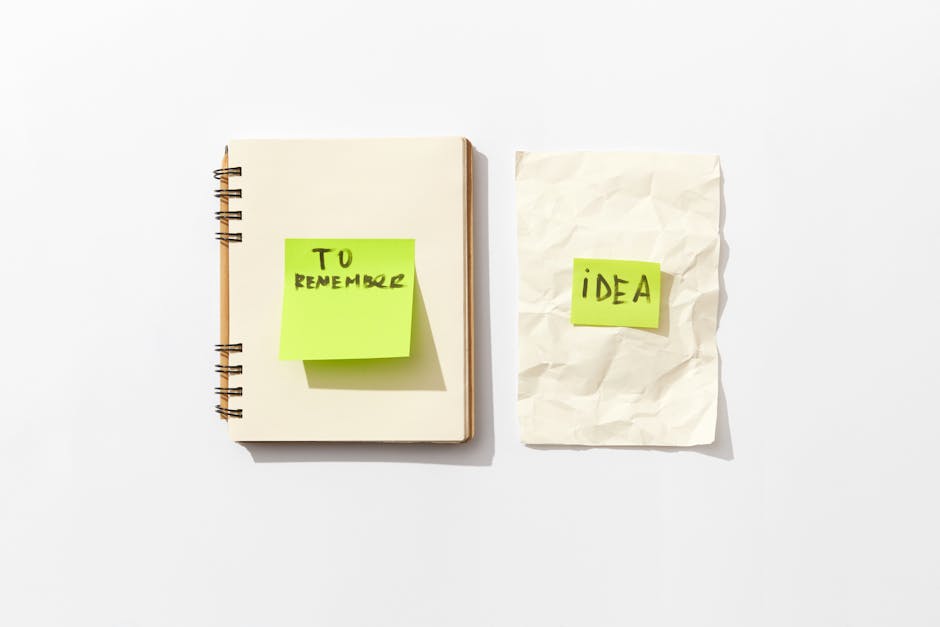
Start with a brain dump. Grab a notebook or open a document and write down everything you're thinking about for the next year, season, or phase of your life. What's been nagging at you? What would make you proud? What would feel different or better?
Don't edit yourself. Write messy. Write fast. This is the raw material.
Next, look for patterns. You might have written down ten different thoughts, but maybe they cluster into three or four bigger themes. Maybe "learn to cook better," "meal prep on Sundays," and "eat more vegetables" all point to a set idea around health and nourishment. Maybe "pitch three freelance clients," "finish my portfolio," and "ask for a raise" all point to career growth.
Once you've identified your themes, name them. Make them broad enough to breathe. Make them specific enough that they mean something to you.
Good set idea examples:
- Invest in my creative skills
- Build stronger relationships with the people I care about
- Take on bigger challenges at work
- Create content that reflects my real interests
- Move toward financial independence
- Develop a consistent practice (whether that's writing, design, fitness, or anything else)
Bad set idea examples (too vague):
- Be better
- Do more
- Succeed
- Change my life
Turn Your Set Ideas Into Action
Here's where most people slip up: they create beautiful set ideas and then don't actually do anything with them.
Set ideas are the foundation, but you still need to build on top of them. Once you know your direction, you translate each set idea into specific tasks and milestones.
If your set idea is "invest in my creative skills," your tasks might be:
- Take a course in X by month two
- Create and share one piece of work every two weeks
- Join a community of people doing similar work
- Schedule critique sessions with peers once a month
Notice these aren't rigid targets. You're not saying "become a professional by December." You're saying "here's how I'll move toward that set idea consistently."
Schedule your tasks before the period starts. If you're planning for the year, lock in your monthly commitments. If you're planning for a quarter, do it weekly. The act of scheduling makes the difference between intention and reality.
And here's the thing: when you share your creative work or your progress, you're not just holding yourself accountable. You're inviting others to see what you're building. Phleekz exists because original work deserves to be seen, and sharing your set ideas and your progress toward them gives people a genuine look at your journey, not just a highlight reel.
Revisit and Adjust as You Go
Set ideas aren't locked in. They're meant to guide you, not trap you.
Every month or quarter, spend an hour reviewing your set ideas. Ask yourself: Am I moving in the direction I wanted? Have I learned something that changes my intention? Is this set idea still meaningful, or has it shifted?
You might realize that a set idea isn't resonating anymore. That's fine. Adjust it. You might also find that you're moving faster or differently than expected. That's also fine. Set ideas are flexible.
The key is consistency of intention, not rigidity of method. You're checking in on your direction, not grading yourself on a scorecard.
Set Ideas for Different Areas of Life
Set ideas work across any area of your life where you want to move forward meaningfully.
For creative work: Your set idea might be "develop a recognizable creative voice" or "create work that I'd be proud to show people." From there, you build tasks around practice, study, feedback, and sharing. When you're building something original and you're thinking about how to make it visible, platforms designed for authentic creators are where that work belongs.
For career: "Build toward a promotion," "transition into freelance work," or "develop expertise in X" all work as set ideas. Your tasks might include skill-building, asking for stretch projects, or expanding your professional network.
For personal development: "Get stronger," "improve my focus," "be a better listener," or "read more widely" all point toward real change. The specifics look different for each person, which is exactly why set ideas work better than one-size-fits-all goals.
For community or relationships: "Deepen friendships," "be more present with family," or "find my people" all start as set ideas and then become regular practices and commitments.
The Real Power of Set Ideas
Set ideas work because they honor two truths at once: you need direction, and you can't predict everything.
They're especially powerful if you create, build, or put your work into the world. When you know your general direction (improve your craft, reach the right audience, build sustainable creative work), you can make better decisions about what to create, who to collaborate with, and where to invest your energy.
And when you're sharing that work and that journey with others, you're not just chasing some distant finish line. You're building something real, one step at a time, and letting people see it as it unfolds.
People Also Ask

What's the difference between set ideas and goals?
Goals are specific and measurable. Set ideas are broader and more flexible. A goal might be "write 50,000 words this year." A set idea is "develop my writing practice." Goals work great for tactical milestones. Set ideas work better for the bigger direction you want your life or work to move.
When should I create my set ideas?
Many people do this during year-end reflection, but you can start at any point: the beginning of a new season, before a new project, or whenever you feel ready for change. The best time is whenever you have an hour to sit quietly with your thoughts and ask yourself what direction you actually want to move.
Can I have more than one set idea?
Yes, but not too many. Most people find that three to five set ideas cover the major areas of their life or work without becoming overwhelming. If you have more than seven, they might be too specific to count as set ideas anymore.
What if I don't hit my set ideas?
Set ideas aren't about perfection. They're about direction. If you aimed toward a set idea and moved partway there, you still moved. Review what happened, learn, and adjust your approach for the next period. That's how the process works.