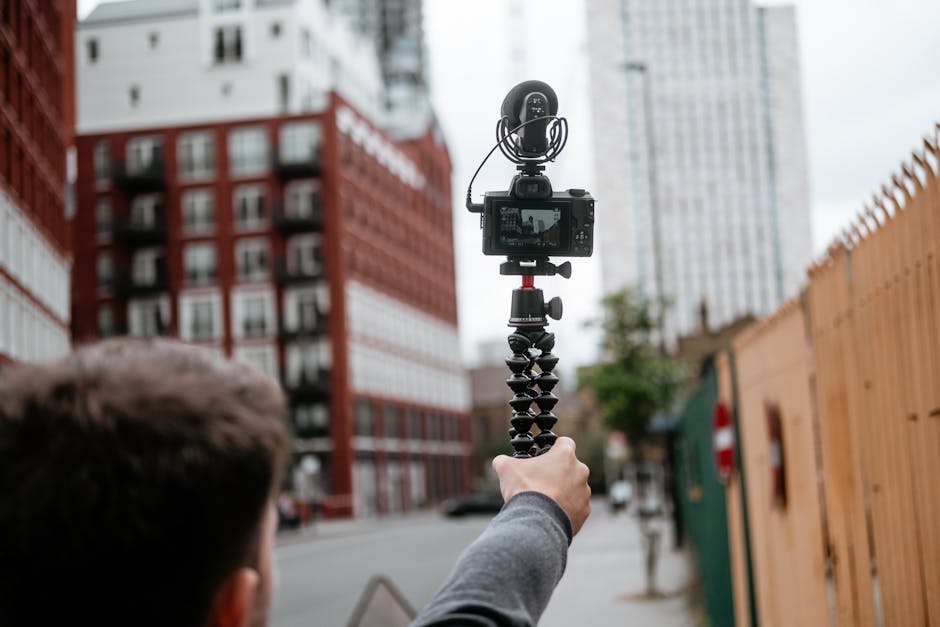
Content Creator Niche: How to Pick One That Actually Works
Picking a content creator niche is one of the biggest decisions you'll make as a creator. Get it right, and you build an audience that actually cares about what you make. Get it wrong, and you're grinding away in a space that either doesn't reward originality or doesn't match who you are.
The good news: you don't need to have it all figured out on day one. A content creator niche isn't a cage. It's a direction. And the direction can shift as you learn what resonates.
Related: How to Make Evergreen Content That Keeps Generating Traffic
Related: Content Creator Must-Haves: Essential Tools & Strategies
Related: Content Creator Kit: What You Actually Need to Get Started
Let's break down how to find a niche that works, what makes it sustainable, and how to avoid the trap of chasing trends instead of building something real.
Three Ways to Pick a Content Creator Niche
Most creators fall into one of three approaches. Understanding which one fits your situation makes the decision way easier.
1. Niche-Based Selection
This is the classic move: you pick a specific topic or category and become the person who creates about it.
Examples include personal finance, AI tools, fitness, beauty, business strategy, or tech reviews. You're saying, "I'm going to be known for my work in this space."
The strength here is focus. Your audience knows what to expect. Brands and sponsors understand exactly who you reach. The math is clean.
The risk is burnout. If you pick a niche purely because it's lucrative and you're not genuinely interested in it, you'll feel it every time you sit down to create.
2. Audience-Based Selection
Instead of picking a topic, you pick a specific group of people and create work that serves them.
Maybe you focus on new parents navigating work-life balance rather than just "parenting tips." Or you create for side-hustlers building businesses while working full-time rather than generic business content.
The advantage is that you're solving real problems for a real group. Your content feels targeted and useful. The audience feels seen.
This approach often builds deeper community because you're speaking directly to someone's specific situation, not just broadcasting general information.
3. Identity or Personal Brand-Based Selection
Here, you're the niche. Your perspective, your experience, your voice is what draws people in.
This works especially well if you have something unique to share: a background others don't have, a way of teaching that clicks, or an authentic story that resonates. Phleekz is designed to help original content be seen, and this approach relies on exactly that kind of authenticity.
The strength is sustainability. You're not pretending to be someone else. The work stays energizing because you're creating from your actual perspective.
The challenge is that your audience grows around you as a person, which means consistency and genuine engagement matter even more.
What Makes a Niche Actually Sustainable
Not all niches are created equal. Some will reward your work. Others will keep you grinding without payoff.
Here's what separates the sustainable ones from the rest:
- There's real audience demand. People are actively looking for content in this space. They have questions. They have problems. They're willing to engage and come back.
- The niche allows for originality. You're not fighting to say something that's already been said a thousand times. There's room for your unique angle.
- You can sustain it without burning out. Be honest with yourself: can you create in this space consistently for the next 2-3 years? Or does the thought of it make you tired?
- There are multiple ways to build an audience and make money. The healthiest niches have room for sponsorships, community building, direct sales, consulting, or collaborations. Don't pick a space with only one way to earn.
- It can evolve with you. A good niche has enough depth that you can go deeper over time instead of hitting a ceiling and getting bored.
The Money Question: Which Niches Actually Pay
Let's be real: you probably care about whether your niche can actually earn you money.
In 2026, the niches with the strongest earning potential tend to be personal finance, AI tools, beauty, fitness, business, and tech reviews. Finance has clean monetization math. AI is the growth story right now. Health and wellness stays consistently profitable because people care deeply about their wellbeing.
But here's the catch: the most lucrative niche in the world won't matter if you can't sustain work in it.
The real money moves happen when brands want to work with creators who have built genuine community and authentic craft. They'd rather partner with someone who has 10,000 deeply engaged followers in a specific niche than chase a creator with a massive but scattered audience.
That shift is happening right now. If you build real work in an underserved niche, you're positioning yourself to win.
How to Test Your Niche Before Going All In

You don't need to quit your job and bet your entire life on a niche pick. Test it first.
Create 10-15 pieces of content in the niche you're considering. Pay attention to what energizes you and what feels like a chore. Notice which pieces get the most engagement and which topics naturally expand into follow-up ideas.
Talk to people in that niche. What do they actually struggle with? What questions come up over and over? That's where your original angle lives.
If after a few weeks of testing you're energized and the feedback is solid, you probably have a niche worth pursuing. If it feels like work and ideas feel forced, keep exploring.
The goal isn't to make the "perfect" niche choice. It's to pick a direction that has real demand, matches your skills and interests, and leaves room for your originality to shine. When you're building work that matters, the niche becomes the space where you do your best thinking.
Avoiding the Niche Traps
Some mistakes show up over and over. Knowing them in advance saves you time.
Trap 1: Picking based only on money. The most lucrative niche won't pay you if you can't stick with it. A niche you care about beats a niche that pays better if the better-paying one doesn't suit you.
Trap 2: Thinking your niche has to be super narrow. You can start broad and focus as you learn. "Technology and productivity for small business owners" is a perfectly fine starting point. You'll naturally narrow as you create and see what resonates.
Trap 3: Waiting for the perfect niche before you start. Perfect doesn't exist. Start creating in the direction that feels right, learn, and adjust. You'll figure out your actual niche through doing, not thinking.
Trap 4: Confusing niche with trend. A niche is something you can build long-term. A trend is something everyone floods into for six months then abandons. Trends die. Niches endure.
The most overlooked part of picking a content creator niche is this: your niche should serve your audience more than it serves your ego. Create work that solves problems or adds genuine value. The audience follows the value.
Your Next Step
If you're ready to start creating in your niche, the platform matters less than the work. But when you're ready to build an audience that actually discovers your content, focus on spaces that value authenticity and originality. Phleekz prioritizes authentic, human-created content, which means if you're putting real work into your niche, there's a home for it.
Start by picking a direction that energizes you, create 10-15 pieces of solid work, and watch what your audience responds to. That feedback is worth more than any advice. Your niche will emerge from what you actually make.
Do I need to pick a niche before I start creating?
Not necessarily. Many creators start broad and naturally narrow down as they create and see what resonates with their audience. But having a general direction helps you stay focused and build an audience faster than jumping between random topics.
Can I change my niche later?
Yes. Your niche can evolve as you grow, learn, and your interests shift. The key is that when you do shift, you bring your existing audience with you and make the new direction feel like a natural extension of your work, not a random pivot.
What if I have multiple interests? Can I combine them into one niche?
Absolutely. Some of the strongest niches come from combining two interests that usually stay separate. "Fitness for people who hate the gym," "business advice for artists," or "finance for creative entrepreneurs" are all valuable because they fill a gap. The niche is the intersection.
How do I know if my niche is too small or too crowded?
A niche is too small if almost no one is searching for content in it or asking questions about it. It's too crowded if every angle has been covered a thousand times and there's no room for your original take. The sweet spot is moderate competition with room for fresh perspective. Your job is to offer something people haven't seen yet, not to avoid competition entirely.
Frequently Asked Questions
1. Niche-Based SelectionThis is the classic move: you pick a specific topic or category and become the person who creates about it.Examples include personal finance, AI tools, fitness, beauty, business strategy, or tech reviews. You're saying, "I'm going to be known for my work in this space."The strength here is focus. Your audience knows what to expect. Brands and sponsors understand exactly who you reach. The math is clean.The risk is burnout. If you pick a niche purely because it's lucrative and you're not genuinely interested in it, you'll feel it every time you sit down to create.2. Audience-Based SelectionInstead of picking a topic, you pick a specific group of people and create work that serves them.Maybe you focus on new parents navigating work-life balance rather than just "parenting tips." Or you create for side-hustlers building businesses while working full-time rather than generic business content.The advantage is that you're solving real problems for a real group. Your content feels targeted and useful. The audience feels seen.This approach often builds deeper community because you're speaking directly to someone's specific situation, not just broadcasting general information.3. Identity or Personal Brand-Based SelectionHere, you're the niche. Your perspective, your experience, your voice is what draws people in.This works especially well if you have something unique to share: a background others don't have, a way of teaching that clicks, or an authentic story that resonates. Phleekz is designed to help original content be seen, and this approach relies on exactly that kind of authenticity.The strength is sustainability. You're not pretending to be someone else. The work stays energizing because you're creating from your actual perspective.The challenge is that your audience grows around you as a person, which means consistency and genuine engagement matter even more.What Makes a Niche Actually SustainableNot all niches are created equal. Some will reward your work. Others will keep you grinding without payoff.Here's what separates the sustainable ones from the rest:There's real audience demand. People are actively looking for content in this space. They have questions. They have problems. They're willing to engage and come back.The niche allows for originality. You're not fighting to say something that's already been said a thousand times. There's room for your unique angle.You can sustain it without burning out. Be honest with yourself: can you create in this space consistently for the next 2-3 years? Or does the thought of it make you tired?There are multiple ways to build an audience and make money. The healthiest niches have room for sponsorships, community building, direct sales, consulting, or collaborations. Don't pick a space with only one way to earn.It can evolve with you. A good niche has enough depth that you can go deeper over time instead of hitting a ceiling and getting bored.The Money Question: Which Niches Actually PayLet's be real: you probably care about whether your niche can actually earn you money.In 2026, the niches with the strongest earning potential tend to be personal finance, AI tools, beauty, fitness, business, and tech reviews. Finance has clean monetization math. AI is the growth story right now. Health and wellness stays consistently profitable because people care deeply about their wellbeing.But here's the catch: the most lucrative niche in the world won't matter if you can't sustain work in it.The real money moves happen when brands want to work with creators who have built genuine community and authentic craft. They'd rather partner with someone who has 10,000 deeply engaged followers in a specific niche than chase a creator with a massive but scattered audience.That shift is happening right now. If you build real work in an underserved niche, you're positioning yourself to win.How to Test Your Niche Before Going All InYou don't need to quit your job and bet your entire life on a niche pick. Test it first.Create 10-15 pieces of content in the niche you're considering. Pay attention to what energizes you and what feels like a chore. Notice which pieces get the most engagement and which topics naturally expand into follow-up ideas.Talk to people in that niche. What do they actually struggle with? What questions come up over and over? That's where your original angle lives.If after a few weeks of testing you're energized and the feedback is solid, you probably have a niche worth pursuing. If it feels like work and ideas feel forced, keep exploring.The goal isn't to make the "perfect" niche choice. It's to pick a direction that has real demand, matches your skills and interests, and leaves room for your originality to shine. When you're building work that matters, the niche becomes the space where you do your best thinking.Avoiding the Niche TrapsSome mistakes show up over and over. Knowing them in advance saves you time.Trap 1: Picking based only on money. The most lucrative niche won't pay you if you can't stick with it. A niche you care about beats a niche that pays better if the better-paying one doesn't suit you.Trap 2: Thinking your niche has to be super narrow. You can start broad and focus as you learn. "Technology and productivity for small business owners" is a perfectly fine starting point. You'll naturally narrow as you create and see what resonates.Trap 3: Waiting for the perfect niche before you start. Perfect doesn't exist. Start creating in the direction that feels right, learn, and adjust. You'll figure out your actual niche through doing, not thinking.Trap 4: Confusing niche with trend. A niche is something you can build long-term. A trend is something everyone floods into for six months then abandons. Trends die. Niches endure.The most overlooked part of picking a content creator niche is this: your niche should serve your audience more than it serves your ego. Create work that solves problems or adds genuine value. The audience follows the value.Your Next StepIf you're ready to start creating in your niche, the platform matters less than the work. But when you're ready to build an audience that actually discovers your content, focus on spaces that value authenticity and originality. Phleekz prioritizes authentic, human-created content, which means if you're putting real work into your niche, there's a home for it.Start by picking a direction that energizes you, create 10-15 pieces of solid work, and watch what your audience responds to. That feedback is worth more than any advice. Your niche will emerge from what you actually make.Do I need to pick a niche before I start creating?
Not necessarily. Many creators start broad and naturally narrow down as they create and see what resonates with their audience. But having a general direction helps you stay focused and build an audience faster than jumping between random topics.
Can I change my niche later?
Yes. Your niche can evolve as you grow, learn, and your interests shift. The key is that when you do shift, you bring your existing audience with you and make the new direction feel like a natural extension of your work, not a random pivot.
What if I have multiple interests? Can I combine them into one niche?
Absolutely. Some of the strongest niches come from combining two interests that usually stay separate. "Fitness for people who hate the gym," "business advice for artists," or "finance for creative entrepreneurs" are all valuable because they fill a gap. The niche is the intersection.
How do I know if my niche is too small or too crowded?
A niche is too small if almost no one is searching for content in it or asking questions about it. It's too crowded if every angle has been covered a thousand times and there's no room for your original take. The sweet spot is moderate competition with room for fresh perspective. Your job is to offer something people haven't seen yet, not to avoid competition entirely.