How to Work with Micro-Influencers: A Creator's Guide
Working with micro-influencers isn't about finding someone with a million followers. It's about finding someone whose audience actually cares what they say, and whose values align with yours. If you're building a brand or launching something new, micro-influencers often deliver better results than bigger creators because their followers are more engaged and loyal.
Here's how to do it right.
Related: How to Tell Your Brand Story: A Step-by-Step Guide
Related: What Is Social Media Amplification? A Creator's Guide
Related: How to Work with Influencers: A Strategy Guide
Start With Your Goals, Not Your Wishlist
Before you reach out to anyone, know what you want to achieve. Are you trying to drive sales? Build awareness in a specific niche? Get honest feedback? Grow your email list? Each goal changes how you approach the partnership.
Write it down. Be specific. "Increase awareness" is too vague. "Reach 5,000 new people interested in sustainable fashion" is actionable. Your micro-influencer partner needs to understand what success looks like so they can actually help you reach it.
This clarity also helps you identify the right people to contact. Someone perfect for one goal might be wrong for another, even if they have great engagement rates.
Find Influencers Who Actually Fit Your Niche
Niche alignment matters more than follower count. A micro-influencer with 8,000 followers who are genuinely interested in what you do will outperform someone with 50,000 followers in a loosely related space.
Start by searching hashtags related to your industry or product. Look at who's posting consistently with those tags. Check out the comments on posts similar to what you want to promote. Real engagement shows up in the conversation, not just in like counts.
You can also ask your existing customers or community who they follow. Your customers already understand what you do, so their recommendations are gold. Referrals often lead to the best partnerships because there's already trust built in.
For deeper research, use platform-native discovery tools. Most social platforms have built-in search functions that let you filter by topic, location, or audience type. Don't rush this step. Spend a week browsing. The right person will feel like the obvious choice once you find them.
Evaluate Engagement Over Numbers
Here's the truth: a creator with 5,000 followers and 400 likes per post is more valuable than a creator with 50,000 followers and 300 likes per post. The first one has an engaged community. The second one has a vanity metric.
Look at their last 10-15 posts. How many comments do they get? Are people actually responding to what they say, or just dropping random emojis? Do they reply to comments? That matters. A creator who talks to their audience builds real relationships, and those relationships transfer to your brand.
Check audience demographics too, if the platform shows them. Does their audience match who you're trying to reach? A creator focused on Gen Z fitness is useless if you're selling to 45-year-old professionals. Know your target customer first, then find creators whose followers match that description.
Research Before You Reach Out
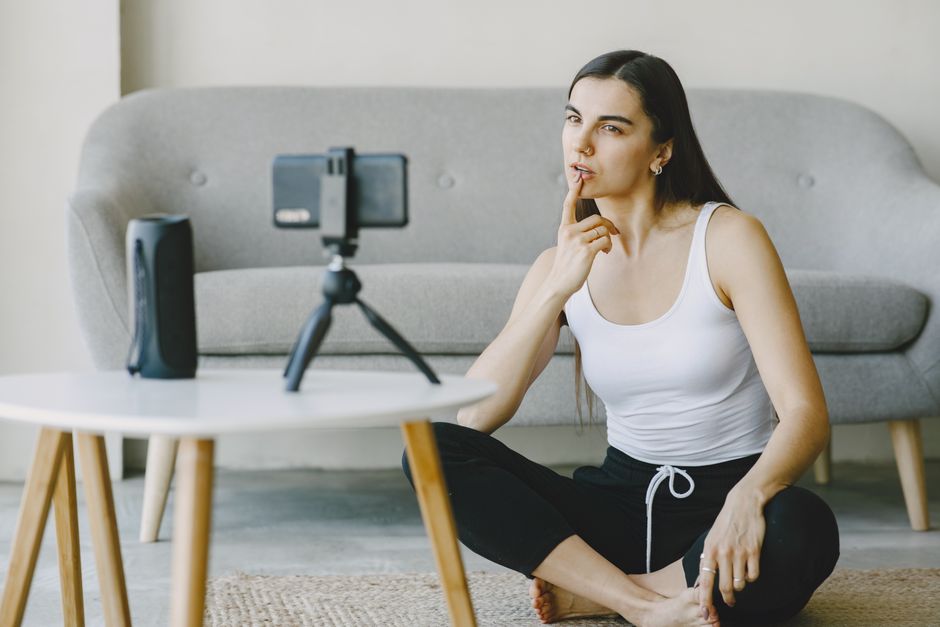
Spend time on their feed and in their recent content. What's their tone? How often do they post? What other brands have they worked with? Do those partnerships feel authentic, or do they look like ads?
Related: 50 Content Creation Ideas to Beat Creator's Block
Related: Brands That Work With Nano Influencers in 2026
This matters because you want someone whose voice feels genuine. If they normally post raw, unfiltered content and you ask them to deliver a polished ad, it'll feel off to their audience. The best partnerships feel like a natural recommendation from a friend, not a paid promotion.
Look at their past partnerships. Did they work with brands you respect? Did the content they created actually align with their normal posting style? A good micro-influencer will have a track record of authentic collaborations.
This is also when you verify they're real. Check if their followers look legitimate. Do they have comments from real people or mostly bot activity? Does their growth look natural or like they bought followers? Platforms designed to prioritize authentic, human-created content matter more than ever, and working with creators who build real communities sets you up for better long-term partnerships.
Have a Real Conversation First
Don't send a templated DM. Nobody responds to those. Instead, mention something specific about their work. Reference a post you actually liked. Ask them a genuine question about their process or perspective.
This serves two purposes. First, it shows you're serious and not just mass-messaging dozens of creators. Second, it starts a real conversation where you can gauge if you'd work well together.
In that first conversation, share your goals. Tell them what you're trying to build and why you think their audience would genuinely benefit from what you offer. Give them the information they need to decide if the partnership makes sense for them too.
Offer Something Fair and Clear
Be transparent about what you're offering. Product trade? Flat fee? Revenue share? Free access? Whatever it is, put a number on it and make it clear upfront. Creators hate surprise negotiations halfway through a project.
Understand that micro-influencers are business owners too. They've invested time building their audience. Fair compensation respects that investment.
Also be clear about what you expect. How many posts? What platforms? What kind of messaging? Do they need to tag you? Can they talk about competing products? The clearer you are, the better the collaboration will be.
Give Them Creative Freedom
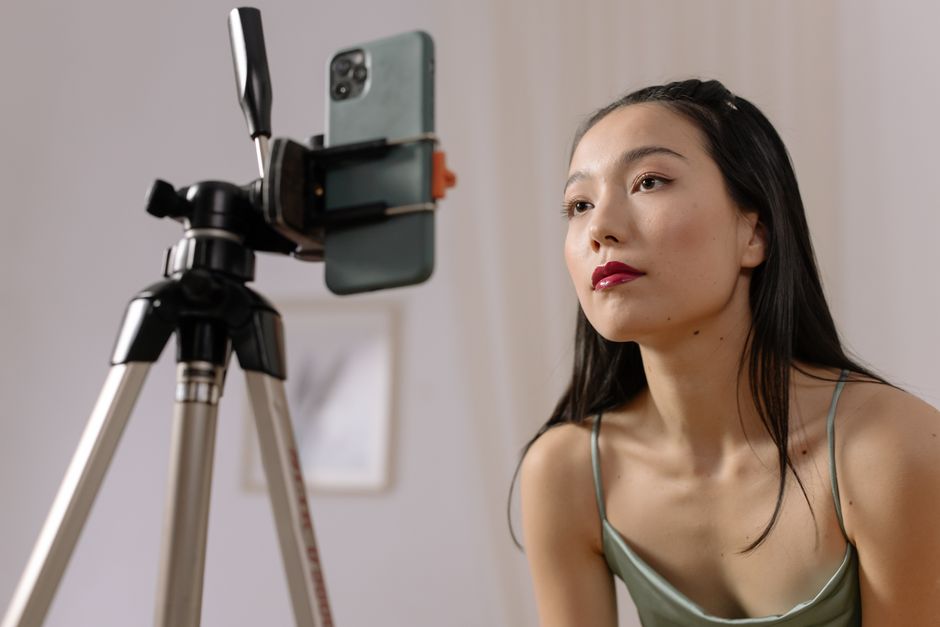
You're paying them partly for their audience, but also for their voice. If you tell them exactly what to say word-for-word, you're removing the thing that makes them valuable in the first place: their authentic perspective.
Share your key messages and goals, then let them figure out how to present it. They know their audience better than you do. They know what tone lands with their followers. Trust that.
The best partnerships feel natural because the creator genuinely believes in what they're promoting and they're free to say it their way. That authenticity is what drives real results.
Make It a Relationship, Not a One-Off
One collaboration can be great, but an ongoing relationship is better. If the first partnership works, ask if they'd be open to working together again.
Creators who work with you multiple times understand your brand better. Their audience starts to see you as an extension of their world rather than a random promotion. That builds trust and makes future campaigns more effective.
Plus, if you're consistently creating quality work that your partners want to promote, you're on the right track. The teams and creators building real communities stay focused on the work itself, not on chasing trends. Phleekz exists because original content deserves real visibility, and working with micro-influencers who get that is how you build sustainable growth.
Track What Happens (But Keep It Simple)
After the collaboration, measure what actually mattered for your goal. If you wanted sales, track purchases. If you wanted awareness, check if your reach grew in that niche. If you wanted community, did you get new engaged followers or email subscribers?
Don't obsess over vanity metrics. One sale from an engaged micro-influencer's audience is worth more than 100 likes from random accounts. Focus on the outcomes that match your original goal.
Share results with the creator too. If something worked well, they want to know. If you're planning another collaboration, they can use that data to do even better work next time.
Why Micro-Influencers Often Win
Micro-influencers don't have the reach of big creators, but they have something more valuable: trust. Their followers are there because they like them, not because of an algorithm or because their mom follows them.
That means when a micro-influencer recommends something, people actually listen. The engagement rates are higher. The conversions are stronger. And the cost is usually a fraction of what you'd pay a bigger creator.
For startups or anyone with a limited budget, micro-influencers are often the smartest move. You get authenticity, engagement, and real results without spending months' worth of marketing budget on a single partnership.
The key is approaching it as a relationship between two creators rather than a transaction. You're making something together. You both want it to be real and useful for the audience. That mindset changes everything.
How many followers should a micro-influencer have?
There's no magic number, but micro-influencers typically range from 1,000 to 100,000 followers. The real measure is engagement rate and audience relevance. Someone with 5,000 highly engaged followers in your niche is far more valuable than someone with 50,000 followers who barely interact with content.
Should I work with micro-influencers if I have a small budget?
Yes, absolutely. Micro-influencers are often more budget-friendly than larger creators and deliver better ROI. Many are open to product trades, revenue shares, or smaller flat fees. Your smaller budget actually makes you a better fit for micro-influencers than for macro-level partnerships.
How do I know if a micro-influencer is authentic?
Look at their posting consistency, comment quality, and past partnerships. Do they interact with their audience? Does their feed feel real or overly polished? Do their sponsored posts feel natural to their usual content? Check if they disclose partnerships transparently too. Authentic creators follow ethical standards and their work shows it.
What if the collaboration doesn't go well?
Have a conversation. Maybe the creative direction didn't work, or expectations weren't clear enough. Use it as data for future partnerships. Not every collaboration will be perfect, and that's okay. What matters is learning from it and improving next time.
Frequently Asked Questions
How many followers should a micro-influencer have?
There's no magic number, but micro-influencers typically range from 1,000 to 100,000 followers. The real measure is engagement rate and audience relevance. Someone with 5,000 highly engaged followers in your niche is far more valuable than someone with 50,000 followers who barely interact with content.
Should I work with micro-influencers if I have a small budget?
Yes, absolutely. Micro-influencers are often more budget-friendly than larger creators and deliver better ROI. Many are open to product trades, revenue shares, or smaller flat fees. Your smaller budget actually makes you a better fit for micro-influencers than for macro-level partnerships.
How do I know if a micro-influencer is authentic?
Look at their posting consistency, comment quality, and past partnerships. Do they interact with their audience? Does their feed feel real or overly polished? Do their sponsored posts feel natural to their usual content? Check if they disclose partnerships transparently too. Authentic creators follow ethical standards and their work shows it.
What if the collaboration doesn't go well?
Have a conversation. Maybe the creative direction didn't work, or expectations weren't clear enough. Use it as data for future partnerships. Not every collaboration will be perfect, and that's okay. What matters is learning from it and improving next time.