Brands That Work With Nano Influencers in 2026
If you've been waiting for the right time to pitch brands as a small creator, the timing is actually now. Brands aren't waiting for you to hit 100,000 followers anymore. In fact, the opposite is happening: the smartest brands in 2026 are actively building rosters of 20 to 50 micro and nano-influencers instead of betting everything on one or two massive creators.
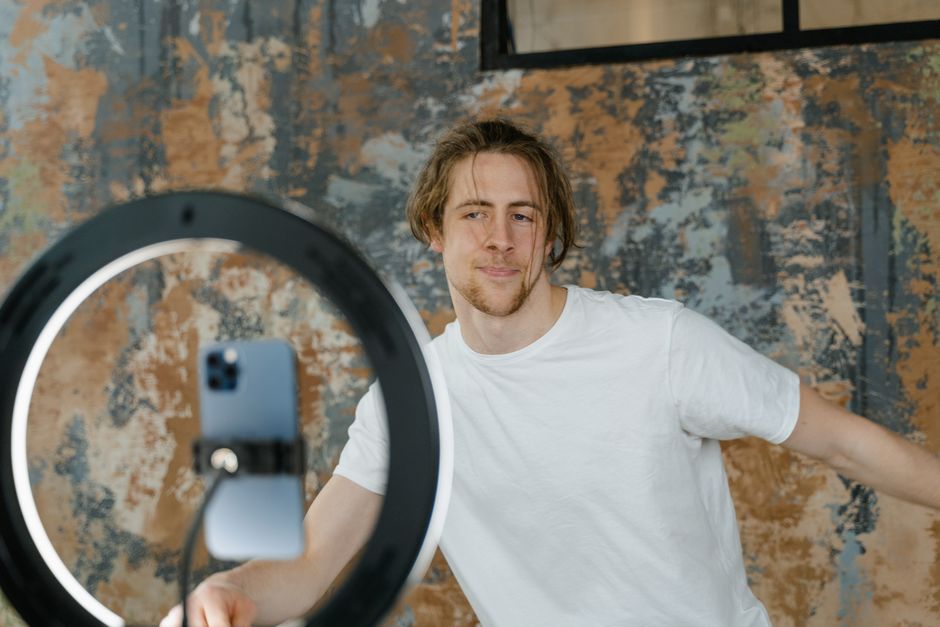
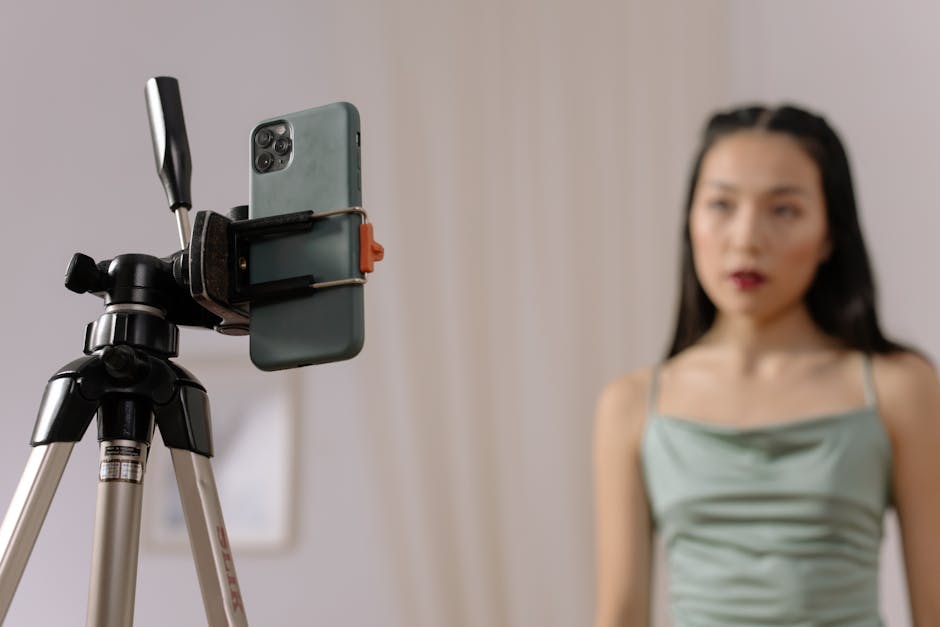
Nano influencers, typically creators with 1,000 to 10,000 followers, are landing real collaborations, paid partnerships, and gifted deals. The reason is simple: they have something bigger accounts often lose. Authentic engagement. Real opinions. Audiences that actually listen.
Why Brands Are Choosing Nano Influencers
The shift toward smaller creator partnerships isn't random. It's strategy.
Related: How to Work with Micro-Influencers: A Creator's Guide
Related: How to Work with Influencers: A Strategy Guide
Related: How Small Brands Can Use Storytelling to Connect
Related: Creative Habits of Successful Creators: Daily Practices That Work
When a nano influencer recommends something, their audience takes it seriously. These creators have built trust with real people who follow them because they genuinely care about the content, not because of algorithm manipulation or celebrity status. Brands have figured out that this kind of authenticity drives conversions better than a polished ad ever will.
A nano influencer's followers feel like a real recommendation from a friend. That's gold for brands looking to build genuine customer relationships instead of just pushing product.
Also, here's the practical side: brands can work with many smaller creators for what they'd spend on a single large creator. This means more diverse audiences, more content variations, and lower risk. If one partnership underperforms, the brand still has 30 others creating content and driving results.
Brands Actively Partnering With Nano Influencers Right Now
Beauty brands have been leading the charge on nano influencer collaborations, and they're showing everyone else how it's done.
Glossier built its entire community on creator partnerships. They work with creators at every level, including nano influencers who share honest takes on their products. Rare Beauty does the same, actively seeking out smaller creators with engaged audiences who align with their values. Supergoop and e.l.f. Cosmetics have structured entire parts of their marketing around micro and nano-influencer rosters.
Related: Nano-Influencer Examples: Real Creators Winning in 2026
What these brands have in common: they don't just gift products and hope. They build real relationships with creators. They respond to pitches. They create clear pathways for collaboration. And they understand that a creator with 5,000 highly engaged followers might generate better ROI than someone with 500,000 followers who barely reads comments.
Beyond beauty, brands across fashion, wellness, home goods, and tech are quietly doing the same work. They're searching for creators, reaching out, and offering genuine partnerships. The brands winning in 2026 are the ones treating nano influencers as real partners, not just free marketing channels.
How Nano Influencers Land Brand Deals
Start with what you have. You don't need 10,000 followers to begin. Gifted collaborations are available to creators with even less than 1,000 followers.
Build a portfolio first. Create content around products you actually use and love. Show brands that you know how to talk about what you recommend and that your audience engages with you. Brands want proof that people listen when you speak.
Then start reaching out. Many nano influencers think they're too small to matter, so they never pitch. Brands are literally looking for you. Write direct messages to brand accounts. Send professional emails to marketing departments. Share your follower count, engagement rates, and what your audience cares about.
Here's the key: be honest about who you are. Brands value authentic creators, and that means being real about your size, your niche, and your audience. A creator with 2,000 followers in a specific community often gets more partnership opportunities than someone with 50,000 random followers.
Build content that shows your genuine relationship with a category or product. If you create content about fitness, skincare, books, or coffee, keep doing that consistently. Brands in those spaces will start noticing you. Authentic, human-created content that keeps its value is exactly what forward-thinking brands want to partner with.
Related: How to Stay Consistent as a Content Creator: Simple Systems That Work
The Creator Portfolio That Gets Brand Attention

Don't just follow brands and hope they notice you. Make it easy for them to say yes.
Create a simple one-page or short document that shows: your follower count, your engagement rate, your audience demographics, past collaborations (even if they were gifted or small), and the categories you focus on. Include links to your best content. Make it clear what you'd bring to a partnership.
Engagement matters more than follower count. A nano influencer with 30% engagement will get deals before someone with 100,000 followers and 2% engagement. Show this data. Prove that your audience is real and responsive.
Past work speaks loudest. If you've created content for brands before—even small ones—include it. It shows you know how to deliver and collaborate professionally. If you're just starting, create mock partnership content that shows how you'd talk about a product you love. Make it easy for brands to visualize you representing them.
Starting as a New Creator With No Following Yet
What if you're starting from zero? You're not behind. You're actually in the ideal position to build real, engaged community from day one.
Focus on creating valuable content in a specific area. Don't try to appeal to everyone. Pick one category or niche and become genuinely knowledgeable about it. This is how nano influencers win: by being the person everyone knows and trusts in a specific space.
Brands will reach out to emerging creators before they ever reach out to someone with a huge, unfocused following. Why? Because an emerging creator in a specific niche represents a real opportunity. An audience of 500 people who are genuinely interested in sustainable fashion is worth more to a sustainable fashion brand than 50,000 random followers.
Engage genuinely with other creators. Comment on posts. Build relationships. Share the work of people doing things you respect. This is how real communities form, and Phleekz is designed to help original content be seen by the right people. Community-first creators are the ones building sustainable careers.
What Brands Look For Beyond Follower Count
Brands are filtering for creators who pass one simple test: do you sound like a real person?
Polished, generic content gets passed over. Honest, specific, personal takes get brand deals. If you describe a product using language that sounds like a press release, brands skip you. If you say why it actually changed something in your life, you've got their attention.
Your comments section matters. Brands look at your followers' responses. Are people actually talking to you? Do they ask questions? Do they take your recommendations seriously? This is engagement in its truest form, and it's what drives real business results.
Consistency matters too. Brands want to see that you show up regularly. You don't need to post every day, but you need to show that creating is part of your rhythm, not a random hobby. A creator who posts genuine, valuable content twice a week for a year will get partnership opportunities faster than someone who posts sporadically.
Finally, brands notice when you're selective about what you promote. Creators who recommend everything get less credibility. Creators who turn down brand offers that don't fit their audience build trust. That trust translates to partnerships because brands know your endorsement actually means something.
Building Your Creator Brand for Long-Term Partnerships

Think beyond the single collaboration. The nano influencers winning in 2026 are building personal brands that attract consistent opportunities.
This means creating content that keeps being valuable. A post about your favorite productivity tips might drive brand deals months after you publish it. A video explaining how to use a specific tool might bring partnership opportunities years later. Work that stands the test of time gives you multiple monetization chances.
Invest in your storytelling. This is what separates nano influencers who get one gifted item from those who build real creator businesses. Tell stories about why you love what you make content about. Share how things have changed your life. Help your audience understand not just what you recommend, but why it matters to you.
Document your journey. People follow creators partly because they're curious about the person behind the content. Share what's working, what you're learning, what you're trying. This authenticity is exactly what brands are betting on when they partner with small creators.
Pitching Brands as a Nano Influencer
When you're ready to reach out, keep your pitch short and specific.
Don't send a generic message to 100 brands. Send personalized messages to 10 brands you actually care about. Show that you use their products or understand their mission. Brands can tell the difference between someone who loves their work and someone just looking for free stuff.
Include your most important stats: follower count, engagement rate, audience demographics, and a link to your best 3-5 pieces of content. Tell them briefly what kind of partnership would make sense for both of you. Make it easy for the brand to say yes by being clear about what you offer.
Follow up respectfully. If a brand doesn't respond the first time, reach out again in a few weeks. Brand marketing teams are busy. One follow-up shows persistence; multiple follow-ups after that shows lack of respect for their time.
Expect to start with gifted collaborations. These are your portfolio builders. Do excellent work on gifted partnerships, and paid partnerships will follow. Brands want to test the relationship before committing budget, and that's totally normal. See each gifted collaboration as a stepping stone to bigger opportunities.
The Future of Creator Partnerships
The shift toward nano influencer partnerships isn't a trend. It's the future of how brands build community and trust.
As marketing experts continue to document, the ROI on authentic, small-creator partnerships consistently beats out big-budget celebrity endorsements. Brands are learning this in real time, and they're investing accordingly.
This means opportunity. If you're a creator with any following at all, if you're consistent and authentic, brand partnerships are genuinely within reach. The gatekeeping around creator deals is dissolving. Brands are coming directly to creators now, looking for real people with real audiences.
The key is showing up as yourself, creating work that matters, and being patient. The brands that work with nano influencers aren't looking for overnight viral hits. They're looking for sustainable partners who care about what they represent. That's a game small creators can absolutely win.
If any of this resonated, give Phleekz a look — it is where the rest of our research lives.
What exactly is a nano influencer?
A nano influencer is a creator with 1,000 to 10,000 followers. Some definitions extend down to creators with even fewer followers. What matters more than the exact number is engagement rate and audience trust. A nano influencer has a smaller but often more engaged and loyal audience than larger creators.
Do I need followers to start getting brand deals?
No. Emerging creators with very small followings can land gifted collaborations to build their portfolio. Start by creating great content, show brands you're serious, and pitch collaborations that make sense for your niche. Brands are increasingly willing to work with new creators who demonstrate passion and authenticity.
How do I know if my engagement rate is good enough?
Industry benchmarks vary by platform, but anything above 3-5% engagement is solid for nano influencers. Calculate this by dividing your average likes and comments by your follower count. Focus on quality over perfection—brands care more about whether your specific audience is engaged than hitting a particular number.
Should I only pitch brands in my niche?
Yes, initially. Build credibility in one niche first. Once you've established yourself as trusted in that space, you can expand. Brands trust creators who genuinely care about their category. Pitching everything to everyone dilutes your credibility and your partnership opportunities.
Frequently Asked Questions
What exactly is a nano influencer?
A nano influencer is a creator with 1,000 to 10,000 followers. Some definitions extend down to creators with even fewer followers. What matters more than the exact number is engagement rate and audience trust. A nano influencer has a smaller but often more engaged and loyal audience than larger creators.
Do I need followers to start getting brand deals?
No. Emerging creators with very small followings can land gifted collaborations to build their portfolio. Start by creating great content, show brands you're serious, and pitch collaborations that make sense for your niche. Brands are increasingly willing to work with new creators who demonstrate passion and authenticity.
How do I know if my engagement rate is good enough?
Industry benchmarks vary by platform, but anything above 3-5% engagement is solid for nano influencers. Calculate this by dividing your average likes and comments by your follower count. Focus on quality over perfection—brands care more about whether your specific audience is engaged than hitting a particular number.
Should I only pitch brands in my niche?
Yes, initially. Build credibility in one niche first. Once you've established yourself as trusted in that space, you can expand. Brands trust creators who genuinely care about their category. Pitching everything to everyone dilutes your credibility and your partnership opportunities.