Turning Your Creativity Into a Personal Brand: A 2026 Guide
Turning your creativity into a personal brand isn't about performing for an audience or copying what works for someone else. It's about taking the original ideas already inside you and making them impossible to ignore.
The difference between a creative person and a creative brand is intentionality. You might be naturally talented, but a brand is built. It's deliberate. It's visible. And it starts with understanding that your creativity is only valuable if the right people know it exists.
Here's how to build a personal brand that actually sticks.
Start With Authentic Self-Expression, Not Performance
The biggest mistake creative people make is thinking they need to become someone else to build a brand.
You don't. Your personal brand should be rooted in what's genuinely true about you: your actual perspective, your real voice, the ideas you actually care about. That's what makes you distinctive in the first place.
The goal isn't to perform a version of yourself that you think will sell. It's to know yourself well enough that you can communicate your creative perspective clearly.
Ask yourself these questions:
- What problems do you solve with your creativity?
- What perspective do you have that others don't?
- What do you create when no one is watching?
- What feedback do you consistently hear from people who see your work?
Your answers here are the foundation. Phleekz is built on the belief that authentic, human-created work deserves visibility, and that starts with you knowing exactly what makes your creativity yours.
Define Your Voice, Tone, and Visual Identity
A personal brand is recognizable because it's consistent. That consistency lives in three places: what you say, how you say it, and how it looks.
Your voice and tone. Write down 5-10 words that describe how you communicate. Are you conversational or formal? Dark humor or uplifting? Direct or poetic? Choose words that feel true to you, and then commit to them. This sounds simple, but most people skip it and wonder why their message feels scattered.
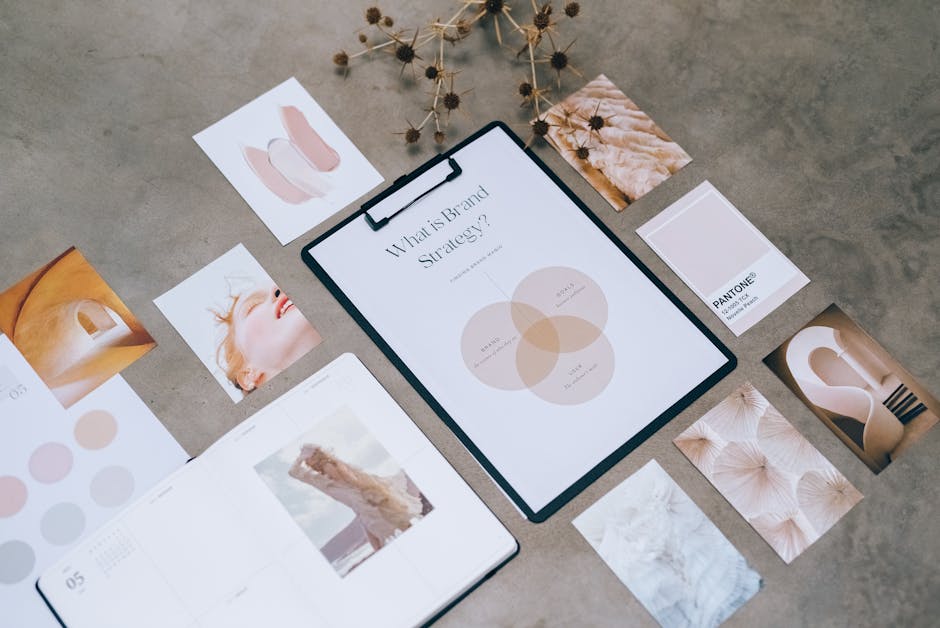
Your visual identity. This doesn't mean you need a designer or a logo. It means deciding on a visual language: colors, fonts, photography style, or design elements that appear consistently in your work. If someone sees your work without your name attached, they should recognize it's yours.
Your subject matter and style. What do you make? Who is it for? What's your point of view? Be specific. "I'm a creative person" is not a brand. "I make minimalist design for small businesses who want to look established without looking corporate" is.
The more specific you are, the more memorable you become.
Build Visibility Through Strategic Consistency
A personal brand only matters if people see it. That means showing up consistently where your audience already gathers.
You don't need to be everywhere. Pick one or two places where you can genuinely create and engage regularly. Maybe that's a weekly newsletter, a content series on social platforms, a podcast, or a portfolio site. Pick based on where your ideal audience spends time and where you can sustain effort long-term.
The key is consistency. Not perfection. Consistency.
Post regularly. Share your process, not just your finished work. Show the thinking behind your creativity. Respond to comments and engage with others' work. Build a relationship with your audience, even if it's small.
This is how you become memorable. Not through one viral moment, but through being reliably present.
Own Your Uniqueness and Become Undeniable
Every creative person has a perspective that no one else has. Your job is to identify it and lean into it.
What's the one thing you do better than almost anyone you know? What's the angle only you can bring? What truth do you see in your field that everyone else seems to miss?
Double down on that. Make it your signature. Repeat it. Build everything around it.
People don't remember creators who do everything. They remember creators who are known for one thing they do exceptionally well.
Your uniqueness is also your competitive advantage. In a world where everyone has access to the same tools and platforms, what you bring that's different is what matters. That difference is your moat.
Manage Your Digital Footprint Strategically
Your personal brand exists across multiple channels, and all of them matter. Your portfolio, your social presence, your email, comments you leave on other people's work, and how you show up in group conversations all contribute to how people perceive you.
Take an audit of your digital presence. What does someone see when they Google your name? Is it the version of you that you want to represent? Are your bios aligned across platforms? Does your work look cohesive or fragmented?
Clean up what doesn't serve your brand. Fill in the gaps. Make sure that if someone encounters you anywhere, they get a consistent experience.
This doesn't mean being fake or hiding parts of yourself. It means being intentional about what you're putting into the world and making sure it all points back to the same thing: your creative perspective and your value.
Build a Community, Not Just a Following
The number of people who see your work matters less than the strength of your connection with them.
A personal brand built on real engagement with a smaller, more interested audience will outlast one built on chasing numbers. Smaller audiences are also more likely to share your work, hire you, collaborate with you, and stick around when things change.
Focus on creating work that speaks to the people who actually care about what you do. Respond to them. Ask for feedback. Build inside jokes. Create a sense of belonging.
When you have 100 people who genuinely believe in your work, they become your marketing team. They share it. They defend it. They introduce others to it.
That's the kind of personal brand that sustains.
Create Content That Keeps Its Value
Trends fade. Viral moments disappear. But ideas that solve a real problem, teach something useful, or express something true stay valuable forever.
Think about the work you're creating not just in the moment, but long-term. Will someone still find value in this a year from now? Does it reflect your best thinking? Is it something you'd be proud to have represent you years later?
When you create work that keeps its value, your personal brand becomes compounding. Each new piece you create adds to the body of work that proves who you are and what you're capable of. You're not starting from zero every time.
This is why Phleekz prioritizes work that keeps creating value beyond the day it's published. Original ideas deserve a home where they can be discovered and appreciated, not just recycled through a feed and forgotten.
Take Active Control of Your Brand Image
Your personal brand isn't something that happens to you. It's something you build intentionally.
Act as the creative director of your own brand. Make decisions about how you're presented. Choose which projects to highlight and which to leave off your portfolio. Decide which collaborations align with your brand and which don't. Write your own bios. Pick your own photos.
Yes, personal and brand identity will naturally blend together. That's okay. But blending doesn't mean passive. You can be authentically yourself while still being strategic about what you show the world and how.
The people who build the strongest personal brands are the ones who take ownership. They know exactly what they want to be known for, and they make intentional decisions to reinforce that every single day.
Start With a Playbook Before You Launch Everywhere
Don't just start posting randomly across every platform and hope something sticks.
Before you launch your personal brand publicly, spend time planning. Write down:
- Your core message (one sentence that explains what you do and why it matters)
- The specific platforms or channels where you'll be active
- Your posting schedule and content pillars (the main types of content you'll create)
- How you'll engage with your audience
- Your long-term vision for where this brand goes
A playbook doesn't need to be complicated. It just needs to exist so you're not reinventing your approach every week. It keeps you consistent, and consistency is what builds a brand.
This kind of intentional thinking is what separates creators who build real brands from creators who just post things online.
Balance Curation With Authenticity
Here's the truth: you can be genuinely yourself and still be thoughtful about what you share.
Being authentic doesn't mean oversharing everything. It means being honest about what you do share. It means not pretending your work is easier than it is, or that you have it all figured out, but also not trauma-dumping or creating a brand based on your problems.
Curate with intention. Share the real behind-the-scenes stuff, the failures, the learning moments. But frame it in a way that actually serves your audience. Ask yourself: "Does this add value to how people understand my work and my perspective?"
If the answer is yes, share it. If it's just noise, hold back.
The strongest personal brands feel real because they are real, but they're also crafted. There's a difference between being authentic and being unfiltered, and understanding that difference is key to building a brand that lasts.
Consistency Compounds Over Time
Personal brands don't happen overnight. They build slowly, through repeated exposure to your work and your perspective.
If you show up consistently for six months, you'll notice people starting to recognize you. At a year, you'll have a real body of work. At two years, you'll be hard to ignore in your field.
The people who succeed at building personal brands aren't necessarily the most talented. They're the ones who show up consistently, regardless of whether anyone's paying attention yet. They trust that the visibility will come if they keep creating and sharing honestly.
Start today. Pick one place to show your work. Decide on a posting schedule you can actually maintain. And commit to showing up, consistently, for the next six months.
That's the entire playbook. Everything else is just details.
What's the difference between a personal brand and a portfolio?
A portfolio is a collection of your best work. A personal brand is a consistent perspective that ties all your work together. A portfolio answers "what can you do?" A brand answers "who are you and what do you stand for?" You need both, but a brand is what makes people remember you.
How long does it take to build a recognizable personal brand?
Most people start seeing real traction around 6-12 months of consistent effort. But "recognizable" depends on your field and your goals. In a niche community, you can become known much faster. The key is consistency, not time. Show up regularly and you'll be surprised how quickly people start to know your name.
Do I need to be on every social platform?
No. Pick one or two platforms where you can create regularly and engage authentically. It's better to have a strong presence in one place than a scattered presence everywhere. Your audience will find you if you're genuinely showing up where they already are.
Can my personal brand change over time?
Yes, but deliberately. Your brand can evolve as you grow and learn, but sudden pivots confuse your audience. If you're going to shift your focus or perspective, bring your audience along by explaining why. The strongest personal brands feel consistent enough to be recognizable, but flexible enough to grow.
Frequently Asked Questions
What's the difference between a personal brand and a portfolio?
A portfolio is a collection of your best work. A personal brand is a consistent perspective that ties all your work together. A portfolio answers "what can you do?" A brand answers "who are you and what do you stand for?" You need both, but a brand is what makes people remember you.
How long does it take to build a recognizable personal brand?
Most people start seeing real traction around 6-12 months of consistent effort. But "recognizable" depends on your field and your goals. In a niche community, you can become known much faster. The key is consistency, not time. Show up regularly and you'll be surprised how quickly people start to know your name.
Do I need to be on every social platform?
No. Pick one or two platforms where you can create regularly and engage authentically. It's better to have a strong presence in one place than a scattered presence everywhere. Your audience will find you if you're genuinely showing up where they already are.
Can my personal brand change over time?
Yes, but deliberately. Your brand can evolve as you grow and learn, but sudden pivots confuse your audience. If you're going to shift your focus or perspective, bring your audience along by explaining why. The strongest personal brands feel consistent enough to be recognizable, but flexible enough to grow.