Content Planners: How to Organize Your Social Strategy
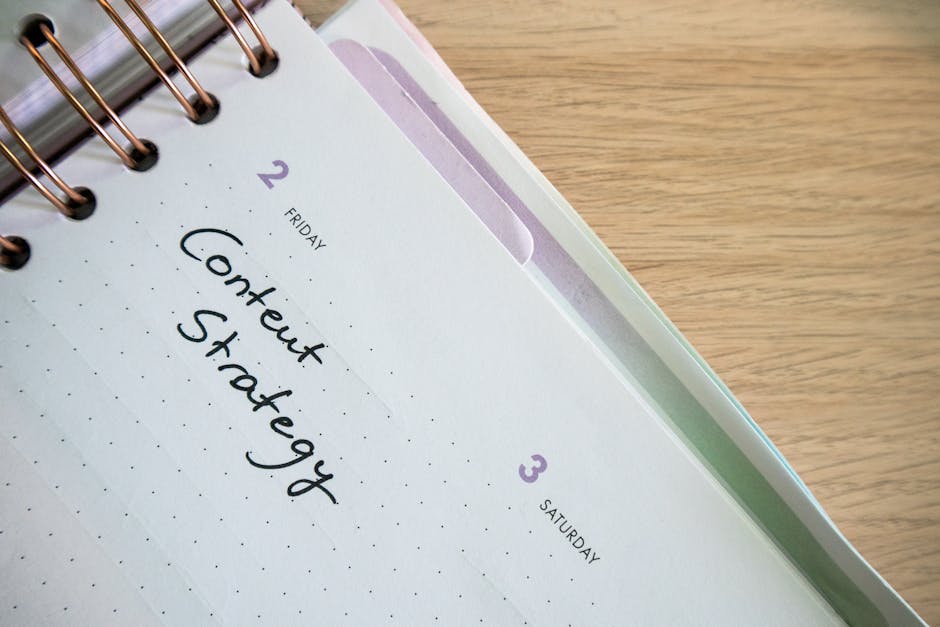
A content planner is your operational backbone for creating and sharing original work consistently across social platforms. It's where strategy meets execution. Instead of scrambling to post something whenever you remember, a planner lets you think ahead, coordinate across channels, and measure what's actually working.
If you're serious about building an audience around original ideas, you need a system. That system is a content planner.
Related: Best Content Planner: How to Organize Your Creative Output
Why Content Planners Matter for Your Strategy
Creating good content is hard. Managing it across multiple places where your audience gathers is harder. Without a planner, you end up posting randomly, repeating yourself, forgetting platforms for weeks at a time, or burning out because you're making everything up on the fly.
A content planner solves this by letting you see your entire strategy in one place. You can visualize weeks or months ahead, spot gaps in your content, ensure you're hitting different angles and formats, and coordinate timing so nothing gets lost.
The real power? Consistency. Phleekz and other platforms that prioritize original work know that creators who show up regularly with quality ideas build real audiences. A planner makes regular consistency possible.
Setting Up Your Content Pillars First
Before you touch a planner, define your content pillars. These are the 6 core themes or topics that define what you create about. They keep you focused and help your audience know what to expect from you.
For example, if you're a fitness creator, your pillars might be: workout routines, nutrition, mindset, recovery, community wins, and personal stories. Everything you create fits into one of these buckets.
Why does this matter? Because a planner without pillars becomes a dumping ground. With pillars, your planner becomes a strategic tool. You can see if you've been ignoring one pillar for three weeks, or if you're repeating the same idea in different formats.
Spend a day thinking about your 6 pillars. Write them down. Pin them to your desk. Then build your planner around them.
Choosing the Right Planner for Your Workflow
There are different types of content planners, and the right one depends on how you work.
Calendar-based planners are the most common. They give you a visual month or week view where you drag posts into dates and times. You can see your whole strategy at a glance and spot overlaps or gaps instantly. These work great if you like seeing everything visually and planning in batches.
Design-integrated systems combine planning with creation tools, so you're building your post right inside the planner. This cuts down switching between apps and keeps everything connected.
All-in-one systems (often spreadsheet or database-based) let you track everything: ideas, drafts, posted content, engagement metrics, and what worked. These demand more setup but give you the most flexibility and data in one place.
Start with whichever feels least friction-y to you. The best planner is the one you'll actually use.
Building Your Master Calendar With Key Moments

Your planner should account for 10+ major moments in your year that matter to your audience. These aren't random dates. They're moments when your audience is paying attention.
If you're a creator in fitness, these might be: New Year (resolution season), summer prep season, holiday eating culture conversations, back-to-school fitness, and moments tied to your own milestones or community events.
Block these dates in your planner now. Then work backwards. What content would serve your audience around these moments? What ideas deserve more posts leading up to them?
This turns your planner from a reactive tool into a strategic compass. You're not just posting regularly. You're showing up when your ideas matter most to the people who follow you.
The Three Core Content Purposes
Before you plan a single post, know why you're creating it. Every post you make should serve one of three purposes:
Educate. Teach your audience something useful they can use today or remember forever. How-tos, frameworks, explanations, debunking myths.
Connect. Build relationship and belonging. Share your story, ask questions, celebrate wins, show the real journey behind the work, invite conversation.
Inspire. Shift perspective. Give people hope, confidence, permission, or a new way of thinking about something.
Most creators swing too hard toward one or two. A strong calendar balances all three. When you're planning in your tool, tag each post with its purpose. You'll instantly see if you've been only educating and never connecting.
Coordinating Across Channels Without Burnout
Here's where a planner saves your sanity: one idea can live in multiple places.
A single insight or story doesn't have to be recreated 5 different ways manually. Your planner lets you plan once, then remix for different formats and platforms. Maybe it's a detailed essay on one platform, a thread on another, a quick video tip on a third.
The key is this: don't try to do everything every day on every channel. Instead, batch your creation. Spend dedicated time writing a month of ideas, then schedule them strategically across the places where your audience is.
Good content planners show you what's going out where and when, so you're not accidentally posting the exact same thing to three channels at the same time, and you're not leaving any channel stale while you focus on one.
Tracking Engagement and Learning From What Works
The second half of a good planner is analytics integration. You post something, and then you need to know: did people care?
Most planners let you track basic metrics: views, engagement, comments. Over time, you spot patterns. Maybe educational posts on Thursdays hit harder. Maybe connection-focused content gets more shares. Maybe one of your pillars consistently underperforms.
This is where tools built for original creators become invaluable. They help you see which of your original ideas actually matter to people, not just which posts got the most initial traction.
Once a month, review. Don't obsess over every post. But do look for the bigger pattern. What kinds of ideas are you creating that keep creating value? Double down on those. What's falling flat? Either kill it or rethink your approach.
Building a Sustainable Posting Rhythm
The dream isn't posting 10 times a day. It's posting consistently, with quality, forever.
A good content planner helps you define a rhythm you can actually sustain. Maybe it's 3 thoughtful posts per week. Maybe it's one deep-dive piece and 5 shorter ideas. Maybe you batch-create monthly and distribute weekly.
The number doesn't matter. Sustainability does. Your planner should show you what you're committing to and make sure it's realistic for your life and schedule.
If you can't keep up with your own plan, adjust it. A planner isn't a guilt machine. It's a tool to help you show up in a way that works.
Making Content That Matters Beyond Day One
The final mindset shift: not all content is created equal. Some ideas peak the day you post them and disappear. Other ideas keep creating value months or years later.
When you're planning, think about longevity. Is this idea timeless or trendy? Will someone searching for help find this useful next year? Does it answer a question people ask every season?
Evergreen content—work that keeps its value—should anchor your calendar. Trending moments are great for engagement spikes, but evergreen ideas build your actual reach over time. A good content planner helps you balance both.
This is where platforms focused on original content discovery matter. They're built to surface ideas that keep working, not just ideas that went viral instantly.
Related: Purpose Built Media: Why Original Content Needs Strategy
Common Questions About Content Planners
How far ahead should I plan my content?
The sweet spot is 4-6 weeks out for detailed planning, with a rough outline for the next 3 months. This gives you structure without forcing you to predict trends too far in advance. Plans are guides, not prison sentences. Leave room to adapt as things change.
What if I miss a scheduled post or need to change my plan?
That's normal. A planner is flexible. Life happens. The system is there to support you, not stress you out. Adjust as needed. What matters is the overall rhythm and consistency, not hitting every single planned date perfectly.
How do I avoid repeating ideas in my planner?
Tag everything with your content pillar and purpose. When you're adding a new idea, scan your past month to see if you've already covered it recently. A quick glance at your planner helps you create with variety instead of circles.
Should I plan every platform the same way?
No. Different platforms have different paces and audiences. Your planner should account for that. You might post daily to one place and 2-3 times a week somewhere else. Some platforms work for short ideas, others for long-form. Your planner should reflect these differences, not ignore them.
Frequently Asked Questions
How far ahead should I plan my content?
The sweet spot is 4-6 weeks out for detailed planning, with a rough outline for the next 3 months. This gives you structure without forcing you to predict trends too far in advance. Plans are guides, not prison sentences. Leave room to adapt as things change.
What if I miss a scheduled post or need to change my plan?
That's normal. A planner is flexible. Life happens. The system is there to support you, not stress you out. Adjust as needed. What matters is the overall rhythm and consistency, not hitting every single planned date perfectly.
How do I avoid repeating ideas in my planner?
Tag everything with your content pillar and purpose. When you're adding a new idea, scan your past month to see if you've already covered it recently. A quick glance at your planner helps you create with variety instead of circles.
Should I plan every platform the same way?
No. Different platforms have different paces and audiences. Your planner should account for that. You might post daily to one place and 2-3 times a week somewhere else. Some platforms work for short ideas, others for long-form. Your planner should reflect these differences, not ignore them.