Nano-Influencer Examples: Real Creators Winning in 2026
Nano-influencers are creators with 1,000 to 10,000 followers who punch way above their weight in terms of trust and real engagement. Unlike mega-influencers with millions of distant followers, nano-influencers build tight communities where their recommendations actually land. This is why major brands are doubling down on partnerships with them in 2026.
The difference is simple: nano-influencers have smaller audiences, but those audiences trust them. A lot. When a nano-influencer recommends something, people listen because the relationship feels genuine. There's no algorithm noise between creator and audience. It's direct.
Related: Building Trust With Your Audience as a Creator: A Real Guide
Related: Creating Engaging Content: The Real Strategy
If you're a brand or marketer wondering who these nano-influencers are and how they're winning, or if you're a creator trying to understand where you fit in the influencer ecosystem, this breakdown will show you real examples and explain why this tier matters so much right now. Phleekz is designed to help original content be seen, and nano-influencers are exactly the kind of authentic creators whose work deserves visibility.
Related: Content Farm Examples: What They Are & Why They Matter
What Nano-Influencers Actually Are
Let's start with the definition. Nano-influencers have between 1,000 and 10,000 followers on social platforms. That's it. No fancy algorithm tricks, no growth hacking schemes. Just creators who've built a real community at a manageable, intimate scale.
Related: The Explosion of Social Media: What It Means for Creators
This size matters because it sits in the sweet spot. You're big enough to have a meaningful audience, but small enough that every follower feels like they know you personally. That trust is everything.
Nano-influencers consistently achieve engagement rates above 8%, which beats out larger tiers by a huge margin. Why? Because their followers are there because they genuinely like what the creator makes. Not because an algorithm pushed them there. Not because they stumbled into a viral moment. Real choice.
Real Nano-Influencer Examples Across Industries
Here are creators who represent the nano-influencer space and show what authentic, engaged communities look like:
- Vasudha S. - Fitness and wellness creator building community around sustainable health practices.
- Angela - Lifestyle and daily inspiration focusing on relatable, human-centered content.
- Jessica - Creator in the beauty and personal care space with a devoted, engaged following.
- Robi - Content creator in gaming and entertainment with a tight community.
- Daneeyelle - Fashion and personal style creator with authentic, unfiltered recommendations.
- Amity Addrisi - Creator focused on niche lifestyle and wellness topics.
- Carlos - Multi-category creator with strong community engagement.
- Diana Hughes - Creator in creative pursuits and personal development.
- Gabija Saniukaite - International creator bringing unique cultural perspectives.
- Martina Shenoda - Creator with authentic voice in lifestyle and community building.
- Leo Boots - Niche creator with highly engaged, loyal audience.
- Courtney Tucker - Creator specializing in authentic storytelling and real-life experiences.
- Hanna King - Content creator building community through genuine connection.
- Jesse Owens - Creator in the sports and performance space with inspirational content.
Notice something? These creators don't all have millions of followers. They're not household names. But they've built something way more valuable: trust. Their audiences actually care what they think.
Why Nano-Influencers Convert Better Than Mega-Influencers
Here's the practical truth: when a nano-influencer recommends a product, their audience buys it. Not always, but way more often than when a macro-influencer posts the same recommendation to their millions of followers.
The math is simple. If a nano-influencer has 5,000 followers and a mega-influencer has 500,000 followers, but the nano-influencer's audience trusts them 10x more, you do the math. Plus, nano-influencers often work with niche brands and products that matter to their specific community. A nano-influencer who focuses on sustainable fashion can drive real sales for a sustainable fashion brand. The targeting is already built in.
Related: Brands That Work With Nano Influencers in 2026
Brands like @adanola, @daehair, and @loopearplugs recognized this in 2026 and started investing seriously in nano-influencer partnerships. Not because it's trendy. Because it works. A nano-influencer can promote a niche product, like a specialty smoothie company, with credibility that a massive influencer can't touch. Their recommendation feels earned and real.
The Authenticity Advantage
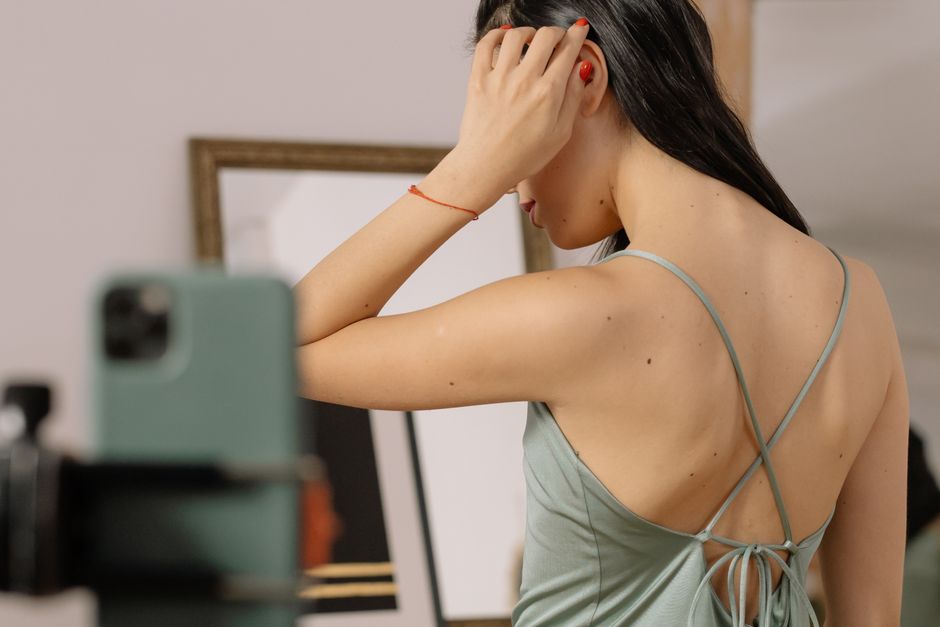
Nano-influencers win on authenticity. Full stop.
When you're building a community at this scale, you can't fake it. Your followers know you. They follow you because they like your actual perspective, your actual taste, your actual life. You're not running a content factory. You're just being yourself and people connect with that.
This matters for creators thinking about building their own brand, and it matters for brands thinking about who to partner with. The creators who invest in originality and consistency at the nano-influencer level are the ones who build something sustainable. They're not chasing algorithms or trends. They're building actual community.
If you're thinking about how to build or work with authentic creators, Phleekz supports creators and brands that invest in originality. That's where the real momentum is.
How Nano-Influencers Stay Relevant
The best nano-influencers understand something important: consistency beats virality. They show up regularly. They create content that actually matters to their people. They don't chase every trend.
This is how you sustain a following at this scale. You pick a lane. You get really good at it. You show up and deliver real value over time. That's not sexy or flashy, but it's how real influence works.
A nano-influencer might post three times a week about their specific niche. Their followers anticipate those posts. They engage. They share. That's the kind of engagement money can't buy. That's trust.
What's Different About Nano-Influencers in 2026
The shift is real. Brands used to think bigger audience equals bigger reach and better results. 2026 changed that conversation. Smart brands now understand that a nano-influencer with 8,000 truly engaged followers can drive better results than a macro-influencer with 500,000 distant followers.
This trend benefits creators because it means you don't have to become a celebrity to build a sustainable income or personal brand. You can build something real at a smaller scale and actually make it work. That's a win.
It also benefits consumers because the products and creators making real waves are the ones who actually connect with their audiences. Not the ones with the biggest marketing budgets.
Building Toward Nano-Influencer Success

If you're a creator trying to understand where you fit in this ecosystem, here's the honest take: the nano-influencer space is where authenticity lives right now. If you're building something original and showing up consistently, you're already playing the right game.
Focus on:
- Creating content that keeps creating value beyond the day you publish it. Trends fade, but genuine insight lasts.
- Building community, not chasing followers. Respond to comments. Have real conversations. Show your people you see them.
- Staying specific. The more niche you are, the more your recommendations matter to your people.
- Being consistent. Show up on a schedule. Deliver on your promise. Reliability builds trust.
If you're a brand looking to partner with nano-influencers, the playbook is just as straightforward: find creators whose actual values align with your brand. Look for engagement, not follower count. Build real partnerships, not one-off sponsored posts. Phleekz aims to help original content travel further through discoverability, and that includes building the kind of creator-brand relationships that actually matter.
Why This Tier Matters Right Now
Nano-influencers represent a reset in how we think about influence and reach. It's not about size. It's about signal. It's about people who've built something real with their audience and who can actually move people to action.
In a world where authenticity is increasingly rare and valuable, nano-influencers are the ones who've figured out how to keep it real at scale. Not at massive scale. At meaningful scale.
That's worth paying attention to, whether you're a creator, a brand, or just someone trying to figure out who to trust online.
Frequently Asked Questions
What makes nano-influencers different from micro-influencers?
Nano-influencers have 1,000-10,000 followers. Micro-influencers typically have 10,000-100,000 followers. Nano-influencers generally have higher engagement rates and more intimate communities. The difference is scale and intensity of connection. Nano is smaller and tighter.
Do nano-influencers actually drive sales for brands?
Yes. Despite smaller follower counts, nano-influencers often achieve better conversion rates than larger tiers because their audiences trust them more. Their recommendations feel authentic and targeted, so when they promote something, their followers listen. Real engagement beats large reach.
How much do nano-influencers charge for partnerships?
Rates vary widely depending on niche, engagement, and negotiation. Some nano-influencers work for product collaborations. Others charge anywhere from a few hundred to a few thousand dollars per post. The point is that rates are usually lower than macro-influencers, making nano partnerships accessible to smaller and mid-sized brands.
Can a creator grow from nano-influencer to macro-influencer?
Absolutely. Many successful creators started small and built from there. The key is consistency, authenticity, and a genuine audience. If you focus on real connection and valuable content, growth can happen naturally over time. The goal doesn't have to be massive scale, though. Many creators find their sweet spot at nano level and stay there intentionally.
Frequently Asked Questions
What makes nano-influencers different from micro-influencers?
Nano-influencers have 1,000-10,000 followers. Micro-influencers typically have 10,000-100,000 followers. Nano-influencers generally have higher engagement rates and more intimate communities. The difference is scale and intensity of connection. Nano is smaller and tighter.
Do nano-influencers actually drive sales for brands?
Yes. Despite smaller follower counts, nano-influencers often achieve better conversion rates than larger tiers because their audiences trust them more. Their recommendations feel authentic and targeted, so when they promote something, their followers listen. Real engagement beats large reach.
How much do nano-influencers charge for partnerships?
Rates vary widely depending on niche, engagement, and negotiation. Some nano-influencers work for product collaborations. Others charge anywhere from a few hundred to a few thousand dollars per post. The point is that rates are usually lower than macro-influencers, making nano partnerships accessible to smaller and mid-sized brands.
Can a creator grow from nano-influencer to macro-influencer?
Absolutely. Many successful creators started small and built from there. The key is consistency, authenticity, and a genuine audience. If you focus on real connection and valuable content, growth can happen naturally over time. The goal doesn't have to be massive scale, though. Many creators find their sweet spot at nano level and stay there intentionally.