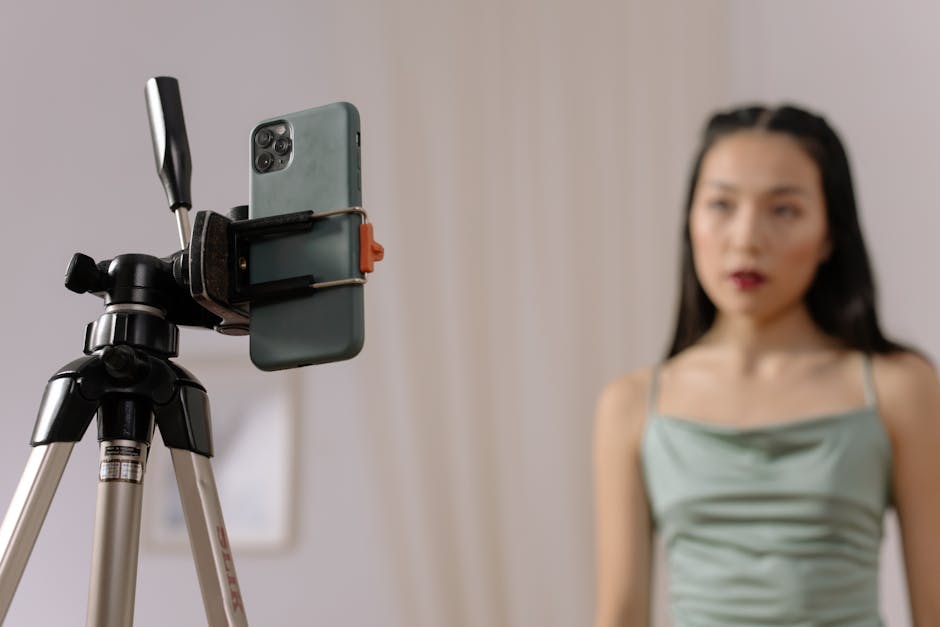
Building Trust With Your Audience as a Creator: A Real Guide
Building trust with your audience as a creator isn't a hack or a shortcut. It's the foundation of everything that lasts.
The creators who stick around—the ones whose work matters years later—aren't the ones chasing trends or gaming attention. They're the ones who show up, stay honest, and actually care about the people who listen to them.
Related: Nano-Influencer Examples: Real Creators Winning in 2026
Here's what real trust looks like and how to build it.
Related: How to Build a Creator Business in 2026: The Complete Guide
Related: Quality Content Creation: A Practical Guide to Real Value
Related: How to Work with Micro-Influencers: A Creator's Guide
Related: What Is Social Media Amplification? A Creator's Guide
Related: How to Work with Influencers: A Strategy Guide
Related: How to Tell Your Brand Story: A Step-by-Step Guide
Related: How to Build a Community as a Creator: 10 Real Strategies
Be Genuinely Authentic From Day One
Authenticity means aligning your work with what you actually believe.
Not what you think your audience wants. Not what's popular right now. What you genuinely care about.
When you're real about your values, your perspective, and even your struggles, people notice. They feel the difference between someone who's creating to impress versus someone who's creating because they have something to say.
Related: Creating Engaging Content: The Real Strategy
This doesn't mean oversharing or turning your audience into your therapist. It means being honest about where you stand. If you're an expert in something, own it. If you're still learning, say that too. If you made a mistake, acknowledge it.
People trust creators who are real more than they trust creators who are polished.
Show Up Consistently
Consistency is where most creators fail, and it's where trust actually gets built.
You don't need to post every single day. You need to show up on a schedule your audience can rely on. If you say you're publishing weekly, publish weekly. If you go dark for a month between posts, your audience forgets about you—or worse, assumes you don't care.
Sporadic work kills momentum. Regular work builds it.
Think of consistency like training. An athlete doesn't show up once a month and expect results. They show up regularly, do the work, and compound those small efforts over time. Same applies here.
Your audience needs to know they can count on you. That reliability is what separates a creator from just another person posting online.
Be Relatable, Not Perfect
The worst thing you can do is pretend you have everything figured out.
Share your real lessons. Talk about the content that flopped. Explain what you learned from a mistake. Show the process, not just the polished final product.
People connect with people, not with perfect images. When you're willing to be vulnerable about your creative struggles, your audience feels permission to be real too. That's when actual community starts.
This is especially important early on. If you're starting out and acting like you've got years of expertise, that gap between perception and reality will eventually show. Better to be honest about where you are and let people grow with you.
Engage With Real Questions

Don't just broadcast. Ask your audience what matters to them.
But here's the thing: ask open-ended questions. Not "Do you like my work?" Ask "What's the biggest challenge you're facing right now?" or "What would actually help you?"
Listen to the answers. Actually read them. Respond to them. Let your audience know that you're paying attention and that their voice matters.
This transforms the relationship from one-directional to two-directional. They're not just consuming; they're being heard. That's where loyalty comes from.
Know Your Audience Better Than They Know Themselves
Trust starts with relevance.
Understand what your audience cares about. What do they watch? What do they share? What problems are they trying to solve? What are they curious about?
When you create content that speaks directly to what matters to them—based on real observation, not guessing—they feel seen. That's the beginning of trust.
Pay attention to the questions they ask. The comments they leave. The conversations they're having. Use that information to shape what you create next.
Be Genuinely Helpful
Build a reputation for being in your audience's corner.
This means your default stance is "How can I help?" not "How can I get something from you?" When you answer questions thoughtfully. When you share what you've learned even if it doesn't directly benefit you. When you celebrate other creators doing good work.
Generosity builds trust faster than anything else.
You don't have to give everything away for free. But the energy you bring should be supportive, not extractive. People can tell the difference immediately.
Create Content Strategically

Don't just make things and hope they resonate. Create intentionally.
What's the intersection between what you're good at and what your audience actually needs? That's where your best work lives.
Every piece of content you create should either build on your expertise, answer a real question, or tell a story that matters. Strategic content builds trust because it shows you're thoughtful and focused, not just throwing everything at the wall.
This is where Phleekz comes in. The platform is designed to help original content be seen, which means your thoughtful, intentional work gets discovered by people who actually want it. That's the opposite of hoping something goes viral. It's about reaching people who connect with what you're genuinely creating.
Build Direct Relationships Beyond Social Platforms
Your audience shouldn't exist only on platforms you don't control.
Use your own website, email, or other owned channels to build one-on-one relationships. This gives you direct access to your people without depending on anyone else's system.
When you own that relationship, you can go deeper. You can have real conversations. You can stay connected even if algorithms change or platforms shift.
Direct relationships are where trust moves from online to real.
Be Transparent About Your Expertise and Limits
Trust breaks the moment someone feels lied to.
Be clear about what you know and what you don't. If you're recommending something, explain why. If you've been paid to promote something, say that. If a topic is outside your wheelhouse, admit it.
Research backs this up: authenticity and transparency are linked to trust in digital spaces.
Transparency doesn't undermine your authority. It builds it. People trust experts who know their limits more than they trust people pretending to know everything.
Stay Curious About Your Audience
Trust isn't a one-time achievement. It's something you maintain by staying engaged.
Keep monitoring what your audience cares about. Their interests evolve. Their challenges shift. Your job is to keep your finger on the pulse and adjust what you're creating accordingly.
Curiosity shows that you care about staying relevant to them, not just staying relevant in general.
This kind of intentional creation—work that's aligned with who you are and what your audience genuinely needs—is what Phleekz is built to support. When original content gets the environment it deserves, trust happens naturally.
Frequently Asked Questions
How long does it take to build trust with an audience?
Trust builds slowly and unevenly. You might see momentum after a few weeks of consistent work, but real, deep trust usually takes months of showing up honestly and delivering value. The good news: every week of consistency compounds. There's no shortcut, but there's also no wasted effort.
What if I make a mistake or say something wrong?
Own it. Explain what happened. Share what you learned. People respect creators who can admit they were wrong way more than creators who pretend they never make mistakes. A genuine apology and correction actually strengthens trust, not weakens it.
How do I know if my audience actually trusts me?
Look for signs: Do they engage thoughtfully with your content? Do they ask you questions or share their own experiences? Do they come back? Do they recommend you to others? These are the real measures of trust. Not likes or numbers, but genuine connection and loyalty.
Can I build trust while also promoting my work?
Yes, but the ratio matters. If 80 percent of what you do is genuinely helpful and you're honest about your perspective, the 20 percent where you promote something feels natural, not pushy. People don't mind supporting creators they trust. But you have to earn that trust first through real value.
Frequently Asked Questions
How long does it take to build trust with an audience?
Trust builds slowly and unevenly. You might see momentum after a few weeks of consistent work, but real, deep trust usually takes months of showing up honestly and delivering value. The good news: every week of consistency compounds. There's no shortcut, but there's also no wasted effort.
What if I make a mistake or say something wrong?
Own it. Explain what happened. Share what you learned. People respect creators who can admit they were wrong way more than creators who pretend they never make mistakes. A genuine apology and correction actually strengthens trust, not weakens it.
How do I know if my audience actually trusts me?
Look for signs: Do they engage thoughtfully with your content? Do they ask you questions or share their own experiences? Do they come back? Do they recommend you to others? These are the real measures of trust. Not likes or numbers, but genuine connection and loyalty.
Can I build trust while also promoting my work?
Yes, but the ratio matters. If 80 percent of what you do is genuinely helpful and you're honest about your perspective, the 20 percent where you promote something feels natural, not pushy. People don't mind supporting creators they trust. But you have to earn that trust first through real value.